Ukraine Unveils First Domestic Glide Bomb at Eurosatory; Signals Domestic Munitions Capability Shift
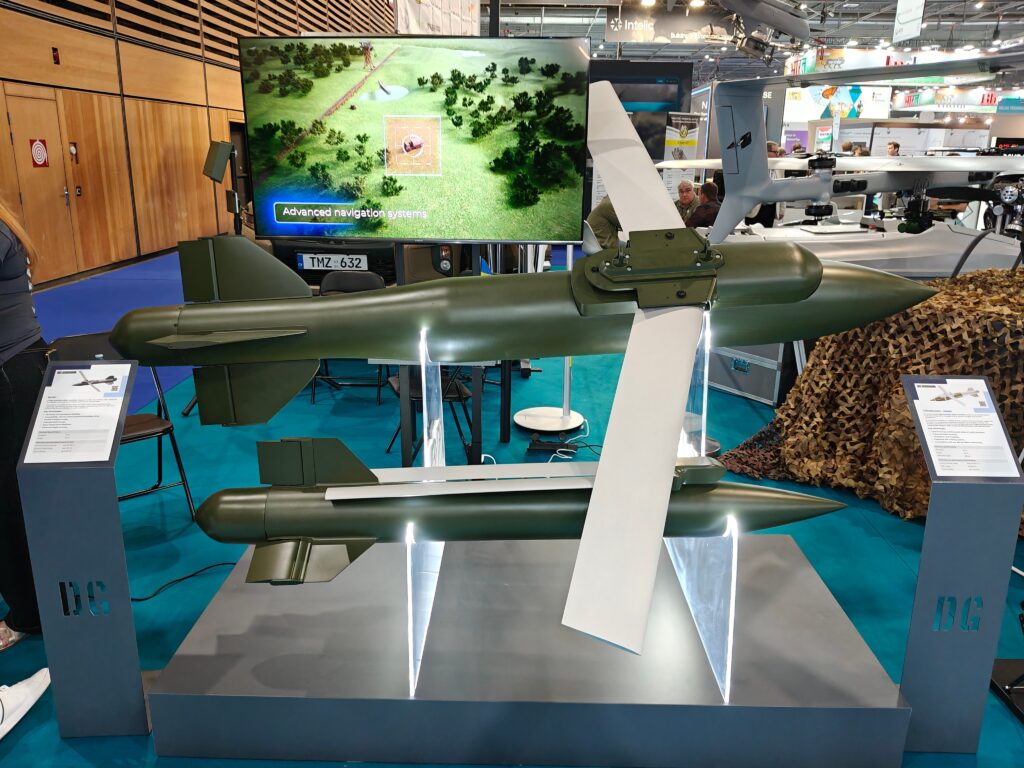
If Vyrivniuvach moves from display to production, it changes the munitions equation for Russia. Ukraine has been burning through Western-supplied PGMs at a rate that strains allied production capacity — the US and UK have both cited munitions availability as a constraint on strike frequency.
A domestic alternative, even if lower-cost and less accurate than JDAM or Storm Shadow, reduces Ukraine's need to ration strikes and makes the conflict more sustainable without incremental Western aid. That shifts the calculus for European defense budgets: they can fund Ukraine's munitions independence rather than backfilling their own inventories.
Ukraine's demonstration of a domestic glide bomb signals a shift from dependency on Western-supplied precision munitions to indigenous production capability — a critical distinction if Western supply chains face disruption or political constraints.
The timing is strategic: Ukraine is publicly showcasing a capability to allied defense ministries and arms makers at Europe's largest defense trade show, likely positioning for co-production partnerships or technology licensing deals. Watch whether UK, Poland, or Nordic defense firms announce joint development or manufacturing agreements within 60 days — that's the real signal.
A domestic glide bomb also reduces Ukraine's vulnerability to US political pressure on munitions exports, which has already surfaced twice in this conflict.
What is the actual production capacity of Vyrivniuvach — can Ukraine manufacture dozens per month, or is this a prototype for demonstration purposes? The article doesn't specify whether this is a one-off or a fielded system with serial production.
Fault Lines
Strategic intelligence, synthesized daily — with a public track record. Every call graded against what actually happened.