Iran Expands Attacks on Gulf Civilian Infrastructure, Signaling Shift Beyond US Military
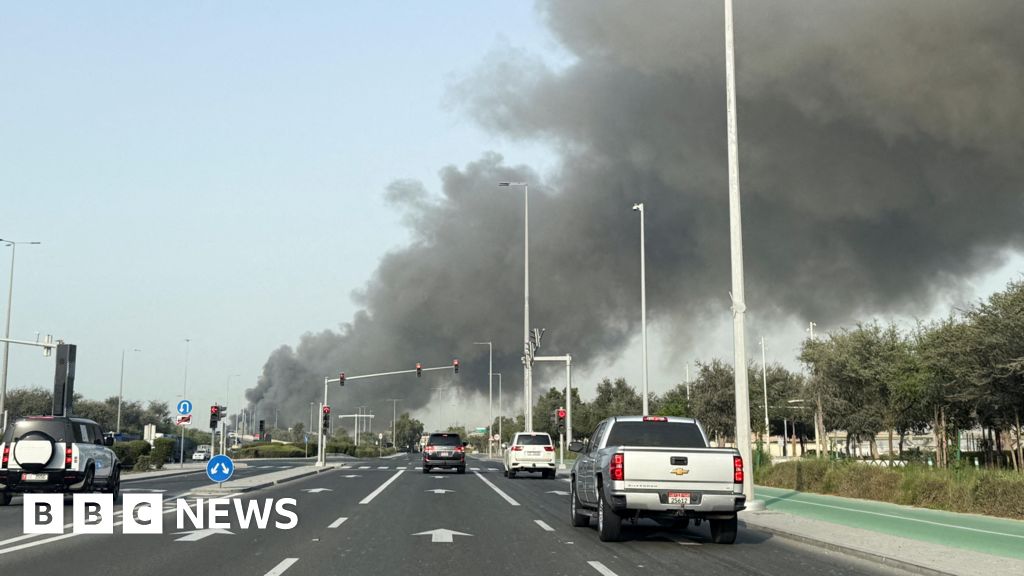
Sustained Iranian attacks on civilian infrastructure in the Gulf force allied governments to choose between (a) increased spending on layered air defense, which diverts capital from other security priorities and creates new procurement dependencies on Western suppliers, or (b) diplomatic accommodation with Iran to reduce strike risk, which weakens the coalition underpinning US deterrence posture in the region.
The first path strengthens US defense industrial demand but increases allied vulnerability during procurement delays; the second erodes the basing and overflight permissions that enable US military operations against Iran.
If confirmed, a shift toward civilian infrastructure targeting forces Gulf Cooperation Council members (Saudi Arabia, UAE, Kuwait, Qatar, Bahrain, Oman) to accelerate air defense procurement and hardening of critical energy, desalination, and port facilities.
This expands the addressable market for air defense contractors (Raytheon, Lockheed Martin, MBDA) and creates urgent demand for CRAM systems, early warning radar, and redundancy in power grids — but only if attacks materialize beyond this single reporting cycle.
The strategic risk is that escalating civilian targeting raises the cost of US forward presence in the region and may shift allied calculations toward accommodation rather than confrontation, reducing the durability of basing agreements that underpin US power projection.
The article does not specify which civilian targets were struck, the number or type of weapons used, damage inflicted, casualties, or whether this represents a tactical shift or a one-time expansion.
Fault Lines
Strategic intelligence, synthesized daily — with a public track record. Every call graded against what actually happened.