ZNPP Loses External Power After Drone Strike on Nikopol Substation
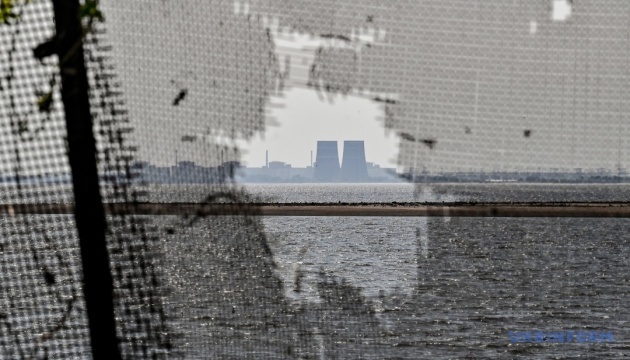
If Ukraine sustains pressure on the Nikopol substation, Russia will face an operational constraint: ZNPP cannot run on diesel alone indefinitely without external fuel logistics, and the plant's spent fuel cooling pools require continuous power.
A prolonged outage creates a cascading risk — not immediate meltdown, but degraded safety margin that forces Russia to either accept reactor shutdown or divert military assets to defend the substation. This is asymmetric leverage: Ukraine spends a drone, Russia spends air defense or ground troops.
This is the first reported direct attack on the electrical infrastructure supplying ZNPP since Russia seized the plant in March 2022.
If drone strikes on the Nikopol substation become routine, the plant faces a choice between relying on backup diesel generators (which require fuel supply through contested territory) or accepting extended offline periods that degrade reactor safety margins. The timing matters: Ukraine has been systematically degrading Russian rear-area power infrastructure for 18 months, and Nikopol sits 40 km from the front.
Watch whether Russia hardens the substation or relocates backup power generation to the plant itself — either move signals escalating concern about grid stability at a nuclear facility.
Did ZNPP's safety systems automatically activate during the outage, and for how long? The article doesn't specify the duration of the power loss or whether backup systems engaged.
Fault Lines
Strategic intelligence, synthesized daily — with a public track record. Every call graded against what actually happened.