Military shoots down CBP drone over Texas; second interagency coordination failure in 30 days
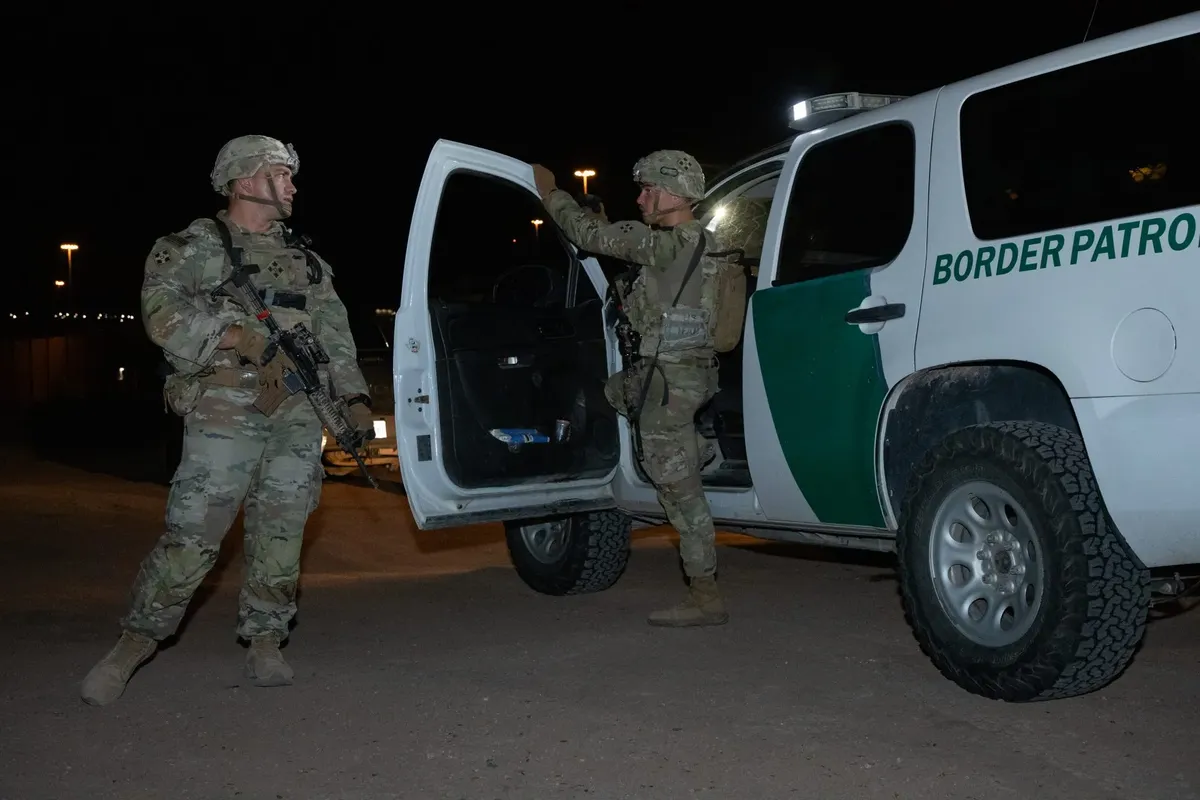
Repeated friendly-fire incidents over domestic airspace will force DoD and DHS to establish a formal interagency deconfliction protocol before deploying counter-UAS systems on U.S. soil. This protocol will become a contractual requirement for any counter-UAS system sold to military or federal law enforcement customers, adding compliance and integration costs to Raytheon, L3Harris, and smaller counter-UAS vendors.
If the protocol includes real-time airspace coordination via a centralized system (similar to civilian ADS-B), it will also create a new procurement line item for software and integration, benefiting IT contractors and potentially delaying fielding of counter-UAS capabilities by 6-12 months while the system is built and tested.
This incident exposes a procedural gap in domestic counter-UAS coordination that has now caused two separate friendly-fire events in 30 days.
For defense contractors supplying counter-UAS systems to military task forces (Raytheon, L3Harris, Dedrone), the immediate risk is operational liability if systems are deployed without formal clearance protocols — militaries will demand contractual indemnification or system modifications that delay integration.
For CBP and other federal agencies planning drone expansion, the cost is now a mandatory interagency deconfliction layer before any flight over contested airspace, which will slow operational tempo and increase staffing requirements.
The underlying issue — no unified domestic airspace coordination protocol between DoD and civilian federal agencies — suggests program managers should expect future procurement delays tied to new regulatory requirements, particularly for systems operating near military installations or task force areas. This is a procedural problem, not a capability problem, but it will drive overhead into future contracts.
The article does not identify which military task force was operating in Texas, what counter-UAS system was used to down the drone, or whether formal procedures exist (and were ignored) or simply do not exist.
Fault Lines
Strategic intelligence, synthesized daily — with a public track record. Every call graded against what actually happened.