Drone Attrition Economics Expose US-Israel Logistics Vulnerability in Iran Conflict
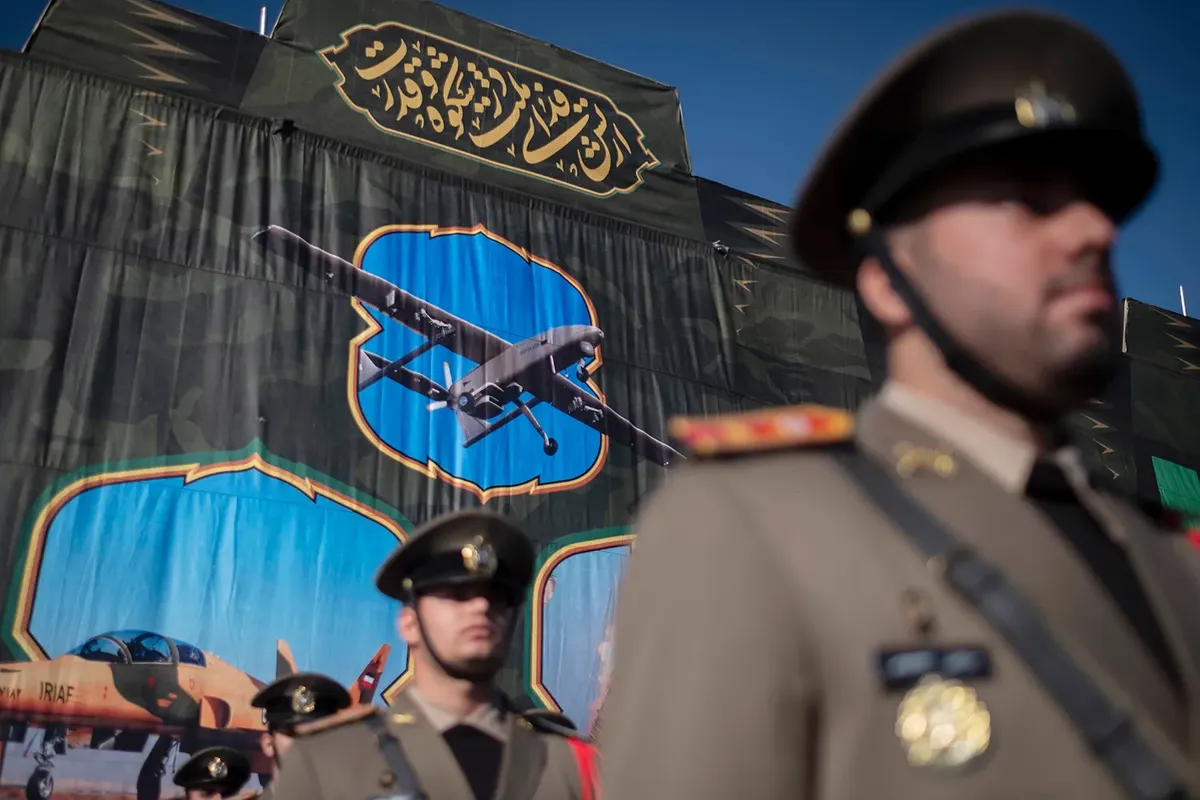
If interceptor burn rates exceed replenishment capacity, the US faces a production bottleneck that will surface in the FY27 procurement cycle — specifically in Patriot PAC-3, THAAD missile, and Iron Dome interceptor line-item justifications. This could force a choice between sustaining the Iran campaign and pre-positioning air defense for Taiwan contingencies.
Additionally, if the analysis drives policy, the US may pivot toward lower-cost counter-drone systems (kinetic or directed-energy), accelerating procurement timelines for systems like the Counter-Unmanned Aircraft System (C-UAS) and creating a market shift away from traditional SAM primes toward drone-specific vendors.
If the analysis is correct, it identifies a structural liability in the current campaign: air defense expenditure (Patriot, THAAD, Iron Dome interceptors) is outpacing the cost of Iranian drones being shot down, creating a consumption rate that will eventually exceed logistics capacity or budget authority.
This matters for sustainment planning — if interceptor burn rates exceed production or stockpile replenishment, the US and Israel face a choice between accepting saturation or reducing strike operations. The article does not provide numbers, so the urgency depends on whether actual attrition rates match the Ukraine model (where a $500k drone costs $1-3M to intercept) or diverge.
Without specific loss data from the current conflict, the signal is a methodological warning rather than a quantified threat.
The article does not provide: (1) actual drone loss counts from the Iran conflict to date; (2) interceptor expenditure rates or remaining stockpile levels for Patriot, THAAD, or Iron Dome; (3) which specific drone types Iran is using or their unit cost; (4) comparison of Ukraine attrition ratios to...
Fault Lines
Strategic intelligence, synthesized daily — with a public track record. Every call graded against what actually happened.