White House AI Distillation Warning Triggers Expert Push for Full China Chip Export Halt
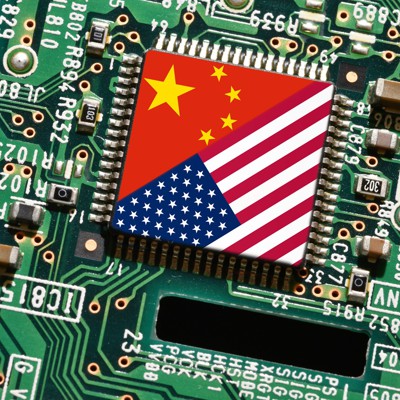
If the administration moves from chip export controls to restrictions on model access (cloud APIs, licensing), it converts AI competition from a semiconductor supply chain problem into an intellectual property and software licensing problem.
That shifts pressure from TSMC and Samsung onto OpenAI, Anthropic, and Google — and forces allied cloud providers (AWS, Azure) to choose between Chinese market access and U.S. compliance, fracturing the transatlantic AI ecosystem.
This is incremental tightening of an already-constrained export regime, not a new control.
The White House distillation warning confirms what semiconductor strategists have known since 2023 — that chip-level controls alone don't stop capability transfer if the model weights themselves remain accessible.
An outright chip export ban would be economically disruptive (Nvidia, AMD, and TSMC all depend on China revenue) but technically redundant if the administration has already concluded distillation is the actual vulnerability. The real question is whether this becomes a pretext for broader restrictions on cloud access or API licensing to Chinese entities, which would hit software companies harder than chipmakers.
For now, this is expert pressure on policy, not policy itself.
Does the White House warning reference specific distillation incidents, or is this a general assessment of the technique's feasibility? The distinction matters — observed attacks justify immediate controls; theoretical risk justifies study.
Fault Lines
Strategic intelligence, synthesized daily — with a public track record. Every call graded against what actually happened.