Germany, Norway Offer Type 212CD Submarines to Canada; Four-Unit Delivery by 2036
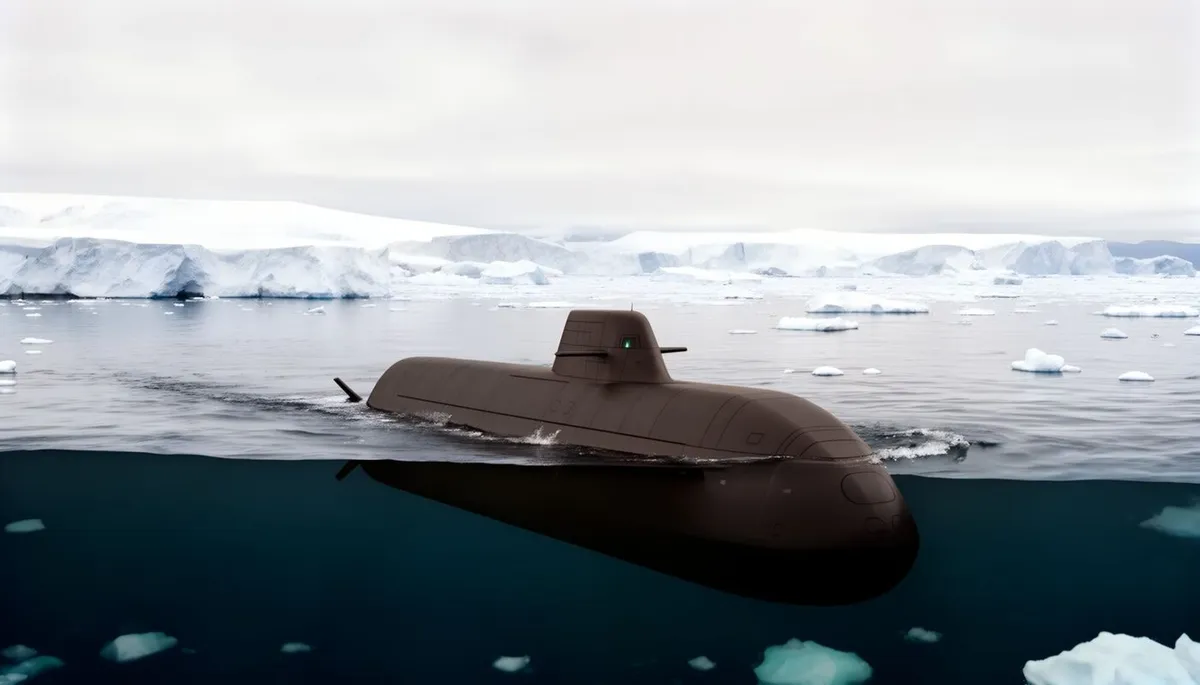
The Type 212CD offer signals TKMS is actively competing for Atlantic-facing submarine contracts at a time when US Virginia-class production is constrained by Newport News capacity limits (target: 2 per year through 2035). If Canada takes the German route, it sets a precedent for other NATO allies facing 10+ year Virginia-class wait queues — Poland, Portugal, and potentially Spain could follow.
This would fragment NATO submarine operations across three incompatible designs (Virginia, Type 212CD, and whatever France deploys) and force each nation to sustain separate supply chains and crew training pipelines.
Canada's submarine modernization directly affects AUKUS interoperability timelines and NATO Atlantic posture.
If Canada selects Type 212CD over Virginia-class alternatives, it locks in a non-US design for a major NATO ally's undersea fleet — a capability gap that forces NORAD and NATO Atlantic to plan around heterogeneous submarine operations for the next decade.
The 2036 delivery date for initial hulls means Canada's current Victoria-class boats will exceed their service life extension window by 4-6 years, creating an operational gap during the critical 2032-2036 window when Taiwan contingency planning assumes full allied submarine availability.
Watch whether the US Navy formally objects to the Type 212CD selection (as it did with Australia's SSN-AUKUS pivot) or accepts the interoperability cost as the price of allied industrial participation.
What is the actual unit cost per Type 212CD, and does it include Canadian industrial participation or workshare — or is this a pure German-Norwegian export with assembly in Canada?
Fault Lines
Strategic intelligence, synthesized daily — with a public track record. Every call graded against what actually happened.