UK Reverses Diego Garcia Denial as Trump Escalation Strains Atlantic Alliance
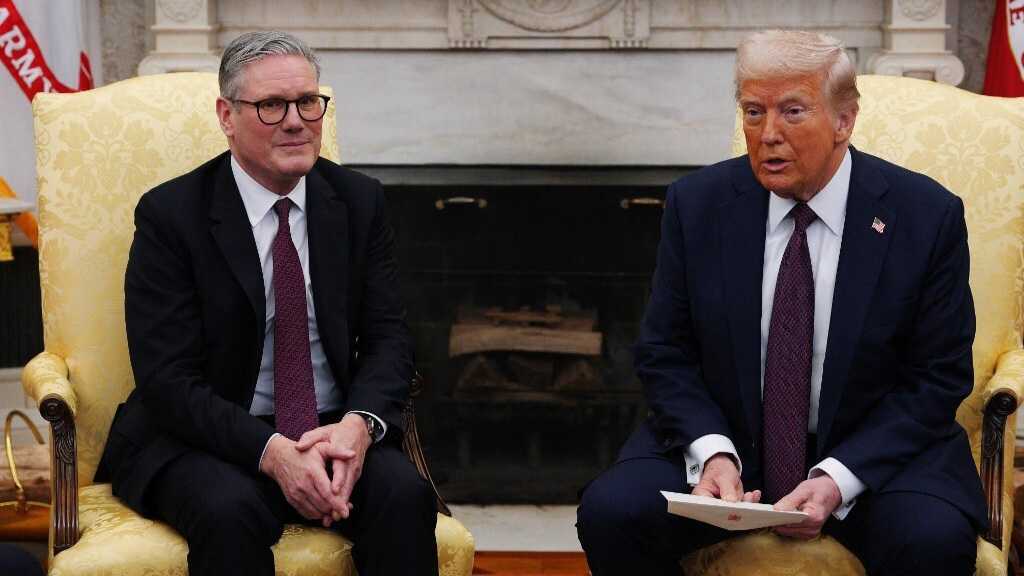
UK political resistance to Diego Garcia use during active operations creates a precedent for allied hesitation in future US-led campaigns. If Starmer's initial denial reflected genuine domestic constraints (parliamentary opposition, public backlash), then Trump's pressure to reverse it establishes that alliance cohesion now requires direct presidential intervention rather than automatic alignment.
This shifts the cost-benefit calculus for future US military operations: allies must now weigh domestic political risk explicitly, potentially delaying or conditioning their participation. For the US, this means basing, logistics, and intelligence-sharing arrangements that were previously assumed are now negotiable during combat operations.
This signals fracture in the US-UK alliance during active combat operations.
If Starmer denied Diego Garcia access and is now walking it back under pressure from Trump, it indicates the UK government faces domestic political exposure for participating in the Iran campaign—exposure severe enough to require direct presidential intervention to realign.
For defense contractors and program managers, this matters because: (1) UK participation in joint air operations depends on political tolerance that is visibly eroding; (2) future US-UK military coordination may require higher political cost-sharing or explicit parliamentary approval, slowing response timelines; (3) allies viewing UK hesitation may recalibrate their own participation in US-led operations, particularly in the Indo-Pacific.
The call itself is damage control, not a resolution—it suggests the underlying disagreement remains unresolved.
The article does not specify what Starmer and Trump actually agreed to, whether the UK will continue denying or acknowledge Diego Garcia use, or whether Parliament was consulted before or after the call.
Fault Lines
Strategic intelligence, synthesized daily — with a public track record. Every call graded against what actually happened.