Chinese AI Chip Makers Capture 41% Market Share; Nvidia Falls to 55% in China
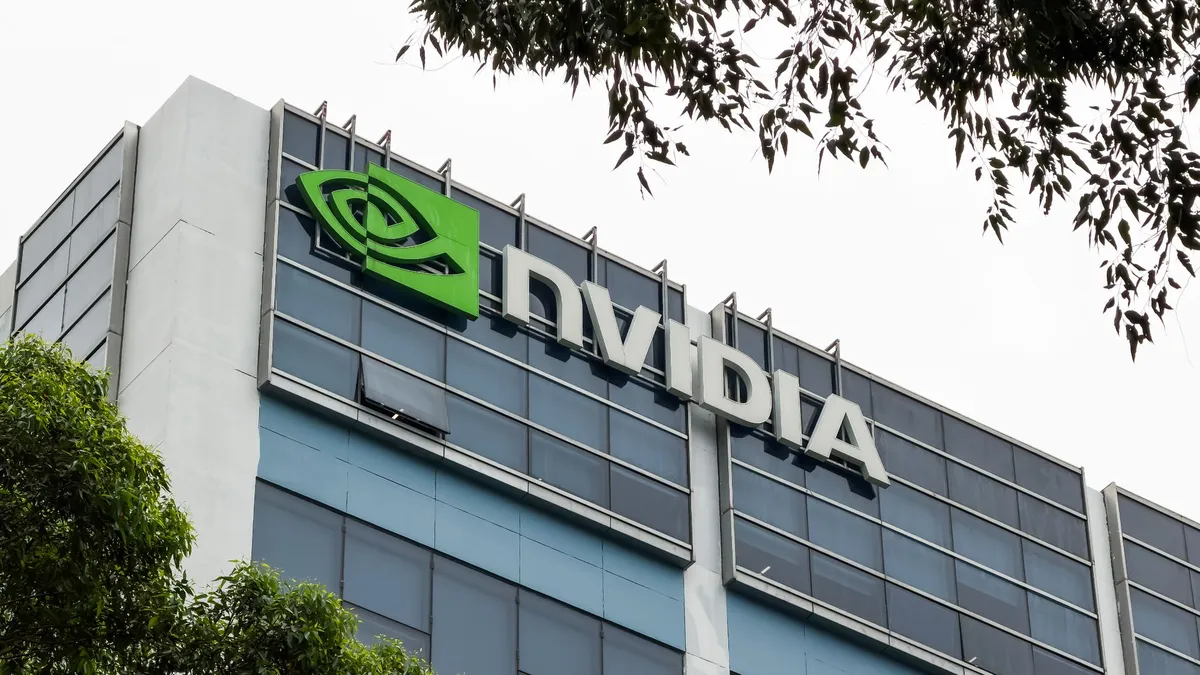
Nvidia's loss of pricing power in China directly reduces the ROI on US semiconductor export controls, which depend on scarcity to force allied nations toward US suppliers; if Chinese alternatives become cost-competitive before next-generation node restrictions take effect, allied procurement decisions will shift on economic grounds rather than policy compliance.
Simultaneously, Chinese AI capability scaling via domestic chips accelerates the timeline for Chinese LLM/foundation model competition with US firms, which in turn affects defense AI procurement strategies that assume US dominance in training infrastructure.
Nvidia's margin compression in its largest growth market outside the US forces a recalculation of its FY2026-27 revenue guidance and accelerates the timeline for Chinese competitors (Huawei, Alibaba, ByteDance chip units) to achieve price/performance parity on inference workloads.
If Chinese domestic chips reach 50%+ market share within 12 months, US export controls on advanced node access become strategically less effective — the market they were designed to constrain will have already migrated to indigenous supply. This also signals that Chinese data center operators have moved past government mandates into genuine technical preference, which is harder to reverse.
For US semiconductor policy, this represents the first quantified evidence that the control regime is not preventing Chinese AI capability scaling — only the pace of it.
The article does not specify which Chinese chip makers (Huawei Ascend, Alibaba Qwen, SambaNova, Graphcore, etc.) hold what share of the 41%, nor does it break down whether the 1.65M units are training or inference GPUs — a critical distinction for assessing whether Chinese firms are competing on the...
Fault Lines
Strategic intelligence, synthesized daily — with a public track record. Every call graded against what actually happened.