Kratos Raises Spartan Turbojet Production to 3,000 Units in 2027 for Loitering Munitions
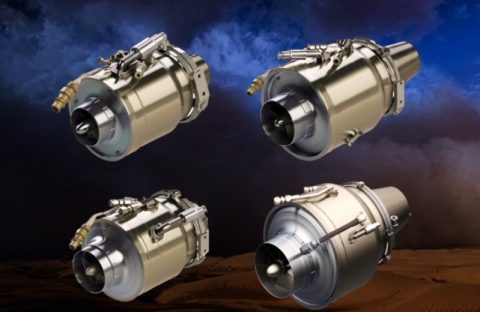
If the ramp is driven by Ukraine resupply, it confirms that attritable loitering munitions have become a primary consumption driver in the conflict — burning through inventory faster than legacy platforms. If it's a US domestic order, it signals INDOPACOM is moving from concept-of-operations planning into actual procurement for distributed autonomous swarms.
Either way, Kratos is betting on a structural shift away from platform scarcity (where every drone mattered) toward consumable abundance (where volume production and cost-per-unit dominate). This puts pressure on other small-turbine suppliers — Teledyne and IHI — to match capacity or cede market share.
This production ramp signals confidence in sustained demand for attritable drone platforms — a capability that has become central to both Ukraine's asymmetric strategy against Russia and US planning for Taiwan contingencies.
Kratos is betting that loitering munitions will absorb 3,000 engines annually by 2027, which implies either a major foreign military sale (likely Ukraine or an Indo-Pacific ally) or a domestic procurement surge that hasn't yet surfaced publicly.
The timeline matters: a 2027 target means tooling and supply chain commitments are being locked in now, during a period when munitions production across the industrial base is under pressure. Watch whether Kratos discloses the customer(s) driving this ramp in their next earnings call or 10-Q filing — the absence of disclosure would indicate a classified program or a contract still under negotiation.
Which customer or customers are driving the 3,000-unit target? Is this primarily US military demand, foreign military sales (Ukraine, Poland, Taiwan, Japan), or a mix? Kratos has not disclosed the end-user breakdown.
Fault Lines
Strategic intelligence, synthesized daily — with a public track record. Every call graded against what actually happened.