Air Force Accelerates CCA Production Scale Amid Middle East Attrition; Munitions Backlog Surfaces
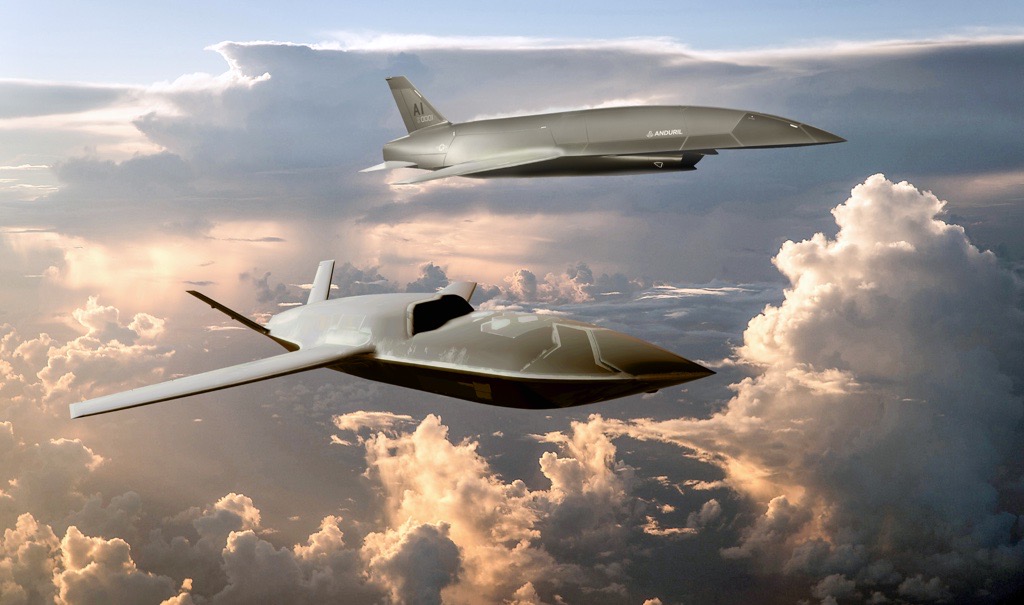
The CCA production acceleration converts the Middle East attrition rate into a force-structure requirement. If the Air Force commits to larger CCA fleets on a shorter timeline, it must accelerate autonomous platform development, which creates a procurement bottleneck for compute, sensors, and autonomy software — all areas where Northrop Grumman and Raytheon have existing contracts.
Simultaneously, the munitions depletion signal (March 17) means the Air Force cannot sustain current strike rates without either expanding missile production (a 12-18 month lead time for new production lines) or reducing sortie generation — the CCA scale-up is a hedge against the second option, shifting risk from operational tempo to platform procurement timelines.
The CCA revision signals a shift from experimental procurement to operational doctrine — the Air Force is now planning for sustained attrition rates consistent with the Iran conflict underway.
If production timelines accelerate, this locks in near-term capital allocation to autonomous platforms over manned aircraft, benefiting Kratos, General Atomics, and Boeing's autonomous division while creating procurement pressure on missile manufacturers (RTX, Lockheed Martin) to expand production capacity.
The risk: if CCA development encounters delays, the Air Force will face a capability gap precisely when doctrine assumes their availability. Watch whether the revised production figures appear in the FY27 budget justification or OUSD(A&S) guidance — absence suggests the revision is aspirational, not resourced.
The article does not specify what the new production targets are, what the prior targets were, or what timeline the Air Force is targeting for initial operational capability.
Fault Lines
Strategic intelligence, synthesized daily — with a public track record. Every call graded against what actually happened.