Russian Monthly Losses Exceed Recruitment for Three Months, Constraining Offensive Capacity
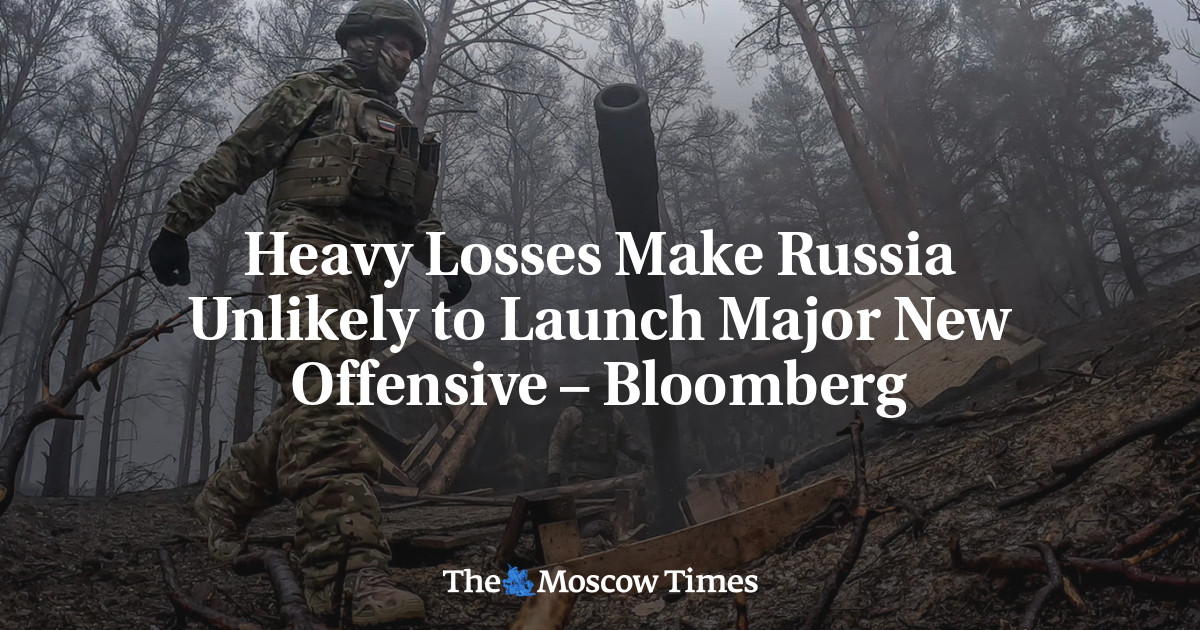
A persistent loss-to-recruitment gap forces Russia into a choice between force reduction and conscription expansion. If Russia chooses conscription, it triggers domestic political friction and labor market disruption, potentially degrading industrial output for munitions and vehicle repair — the very inputs needed to sustain offensive operations.
If Russia accepts force reduction, it surrenders offensive initiative, extending the conflict timeline and increasing demand for Western allied munitions production and air defense sustainment contracts. The timing of this constraint relative to Ukrainian spring counteroffensive planning and NATO FY27 procurement cycles will determine whether allied suppliers face supply-side bottlenecks or demand acceleration.
If sustained, this loss-to-recruitment ratio directly constrains Russia's ability to mass forces for major offensive operations — the most manpower-intensive military activity.
This is a supply constraint, not a political one. The critical unknown is whether Russia can close the gap through mobilization, conscription acceleration, or foreign recruitment (North Korean, Belarusian, Syrian forces).
If the gap persists beyond Q2 2026, Russia's offensive options narrow to attrition warfare or defensive consolidation, which reduces the threat surface for Ukrainian counteroffensives and allied support timelines.
Defense contractors supporting Ukrainian air defense and long-range strike (Raytheon PATRIOT sustainment, HIMARS ammunition, Lockheed Tactical Missile Systems) benefit from extended conflict duration; those betting on rapid resolution face margin compression.
The article does not specify which three months, the exact magnitude of monthly losses (only recruitment figures), or whether the loss rate is accelerating — all critical to assessing whether this is a temporary spike or a structural degradation.
Fault Lines
Strategic intelligence, synthesized daily — with a public track record. Every call graded against what actually happened.