Alibaba Removed Shahed Drone Listings with AI Targeting; Supply Chain Transparency Gap Exposed
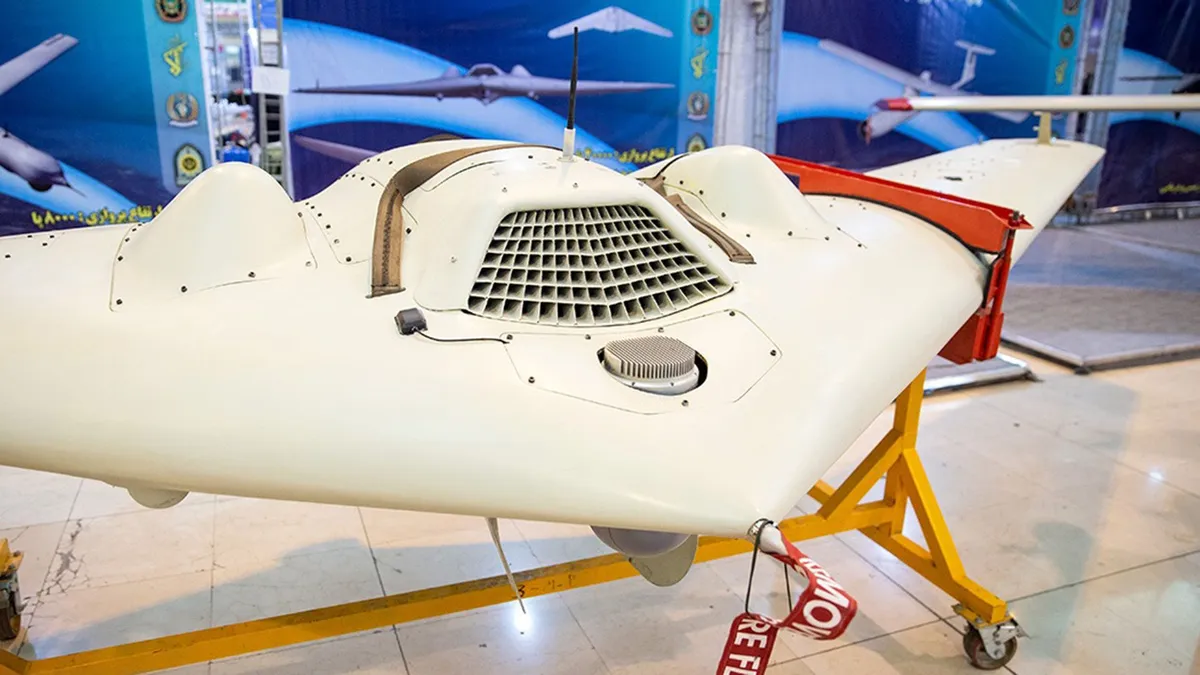
Iranian reliance on commercial e-commerce for drone components and targeting software during an active conflict indicates that Western export controls on semiconductors and AI chips have not degraded Iran's ability to acquire and iterate on autonomous weapons systems.
This directly undercuts the rationale for the semiconductor export control regime against Iran—if targeting AI can be sourced from commercial platforms and integrated into operational systems within days, the control architecture is failing at the enforcement layer.
For allied procurement, this suggests that any defense system integrating commercial components sourced from Indo-Pacific suppliers faces a supply chain risk that cannot be mitigated by contract language alone.
This exposes a critical gap in dual-use technology export enforcement: commercial platforms are advertising armed autonomous systems in real time while those systems are actively being deployed in an active conflict.
The fact that Alibaba removed listings only after discovery—not through pre-listing screening—suggests Chinese e-commerce enforcement of weapons controls is reactive, not preventive. For defense planners, this means Iranian access to commercial supply chains for drone components and targeting software remains unvetted and difficult to track.
For procurement, it underscores why allied militaries cannot rely on commercial COTS solutions for contested environments without extensive validation of supply chain provenance.
The article does not specify: (1) how many listings were active and for how long before removal; (2) whether any orders were completed before suspension; (3) whether the AI targeting code was original or reverse-engineered from operational Shaheds; (4) what Alibaba's stated policy is on weapons sale...
Fault Lines
Strategic intelligence, synthesized daily — with a public track record. Every call graded against what actually happened.