Ukrainian Strikes Offline 40% of Russian Oil Exports; Budget Revenue Threatened
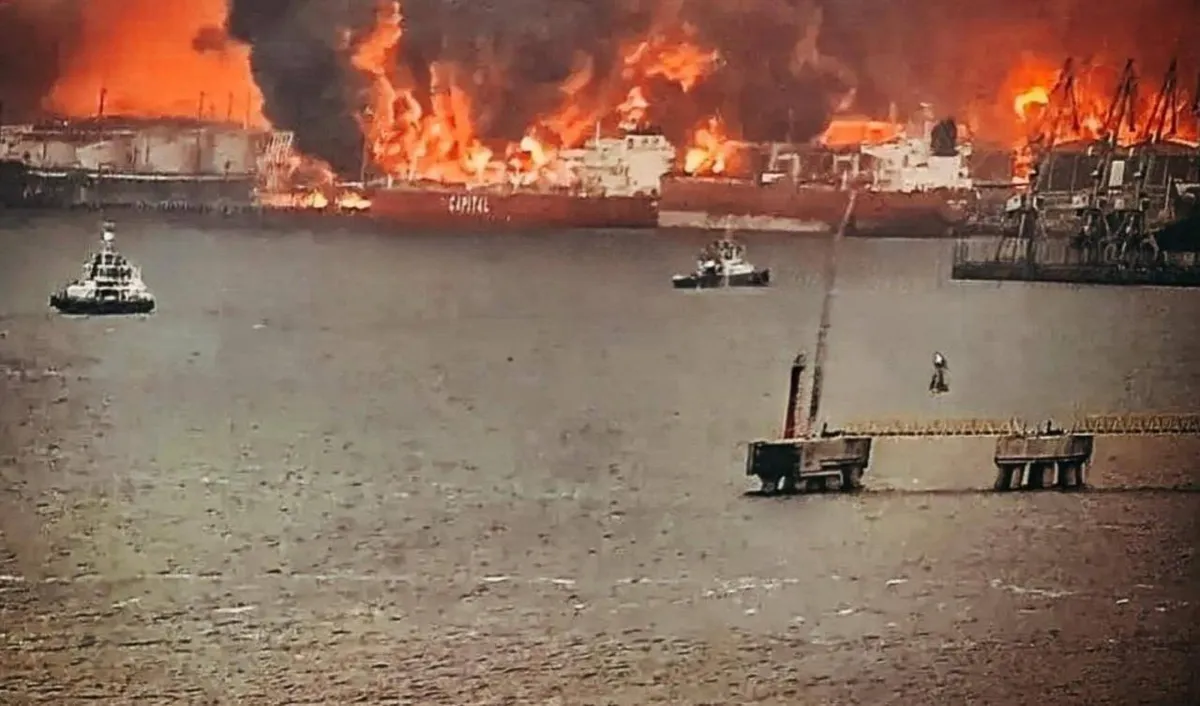
The disruption of Russian energy exports removes a key source of hard currency that finances Russian military procurement and logistics.
Combined with the prior week's strikes on Iranian and Qatari LNG infrastructure, global energy markets face a supply contraction that shifts competitive advantage to US liquefied natural gas producers and forces allied energy procurement strategies to accelerate diversification away from Russian supply—a geopolitical outcome that strengthens US leverage in energy-dependent regions (Europe, Japan, South Korea) but increases near-term energy costs for NATO allies, potentially constraining defense budget growth in those countries.
A 40% reduction in Russian oil export capacity directly threatens Moscow's fiscal capacity to fund military operations and sustain the Ukraine conflict.
If sustained for weeks, this forces a choice between depleting reserves, cutting military spending, or seeking alternative export routes (Arctic, China pipelines) with reduced throughput and margin.
The timing—coinciding with simultaneous Iranian and Qatari energy infrastructure strikes in the Middle East—creates a global energy supply shock that benefits US LNG exporters (Cheniere, Sempra) and increases European energy security pressure to accelerate non-Russian sourcing, but tightens margins for US allies dependent on stable energy pricing.
The article does not specify which terminals were targeted, whether the damage is permanent or temporary, the timeline for repairs, or whether Russia is rerouting exports through alternative facilities.
Fault Lines
Strategic intelligence, synthesized daily — with a public track record. Every call graded against what actually happened.