Data Center Power Demand Strains Grid Capacity, Forcing Nuclear & Defense Infrastructure Choices
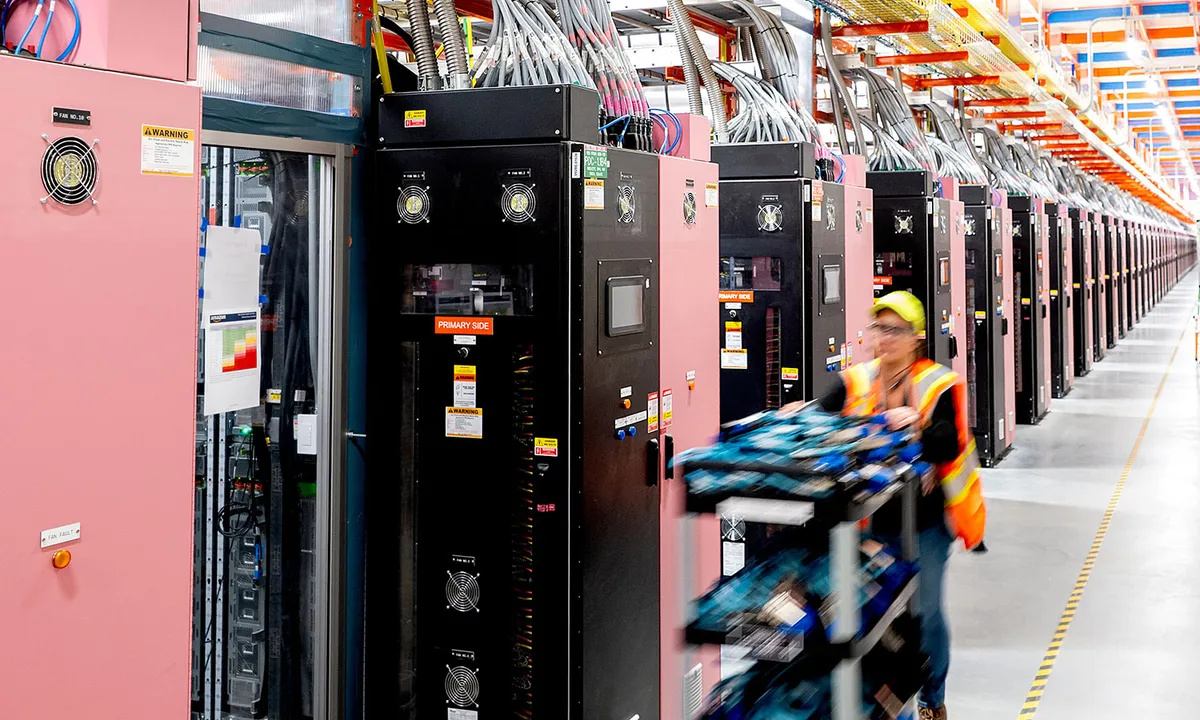
Power scarcity forces DoD to choose between competing for commercial grid capacity (losing to data center economics) or investing in on-site generation — shifting procurement from operations into energy infrastructure.
This converts a civilian utility problem into a defense industrial base decision: primes like Westinghouse, GE, and Rolls-Royce will bid for small modular reactor contracts at military installations, while traditional power contracts face deprioritization. If confirmed in FY27 budget markups, this redirects capital from platform modernization into energy resilience.
Acute power scarcity forces triage between civilian grid demand and defense facility requirements.
Data centers competing for baseload capacity directly constrain options for military installations, nuclear weapons complex operations, and critical infrastructure. If utilities prioritize commercial AI/cloud workloads over defense loads, this creates a vulnerability window for adversaries to exploit during contingencies.
The outcome depends on whether DoD secures dedicated generation capacity (nuclear, gas reserves) or remains dependent on shared commercial grids — a decision that will surface in FY27 energy security budgets and STRATCOM readiness assessments.
The article does not specify which utilities are affected, the magnitude of data center load growth (total MW or growth rate), which defense installations face constraints, or whether DoD has initiated contingency contracting for dedicated power.
Fault Lines
Strategic intelligence, synthesized daily — with a public track record. Every call graded against what actually happened.