China Reassesses Middle East Exposure as US-Iran War Disrupts Energy & Trade Routes
Energy price spikes and shipping delays flowing from the conflict will compress margins on Chinese export-dependent manufacturers (textiles, electronics, appliances) that rely on sub-6% logistics costs to undercut competitors.
This creates pressure for Beijing to accelerate non-Suez trade infrastructure investments (rail, pipeline, Central Asian routes) and to negotiate longer-term energy contracts with Russia and Central Asia at locked-in prices — converting what was a market-driven commodity market into a geopolitical supply agreement.
China imports roughly 40% of its crude oil from the Middle East and routes significant trade through the Strait of Hormuz and Suez Canal.
A prolonged conflict creates three distinct exposure vectors: (1) energy price volatility that feeds inflation into Chinese manufacturing; (2) shipping delays and insurance premium spikes that compress margins on container exports to Europe and North America; (3) uncertainty about whether the US will enforce de facto blockades on Iranian oil (already under sanctions) or expand restrictions to Chinese buyers.
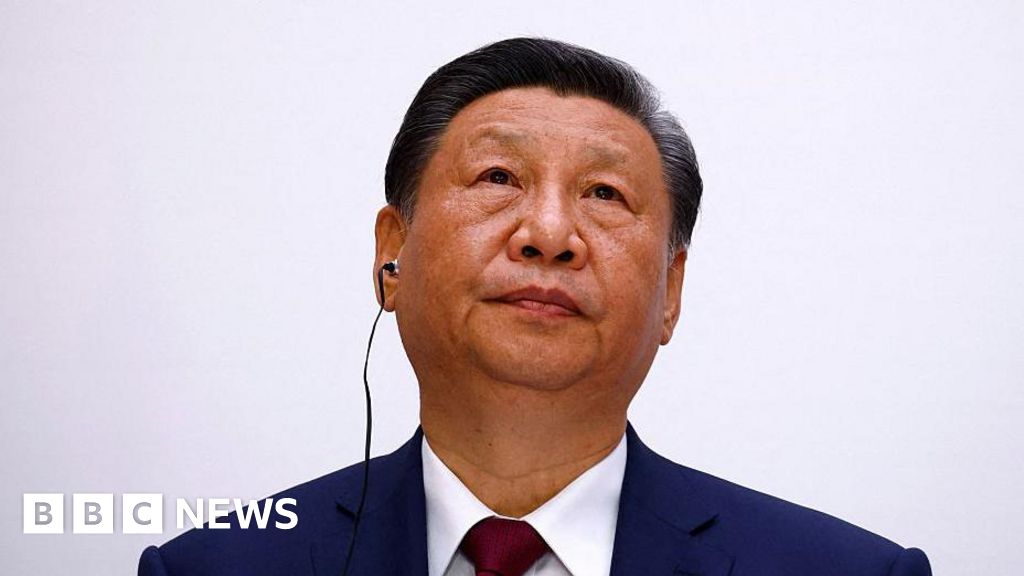
The BBC framing suggests Beijing is calculating whether the conflict signals a broader US willingness to weaponize regional instability against Chinese economic interests.
This is not yet a policy crisis for China, but it is forcing a reassessment of Middle East hedging strategies and potentially accelerating Chinese investment in alternative energy sources and non-Suez trade corridors (e.g., Belt and Road infrastructure in Central Asia).
The article does not specify which Chinese firms or sectors are experiencing measurable losses, what the current shipping delay is in the Red Sea or Persian Gulf, or whether China's government has issued any formal statement on the conflict.
Fault Lines
Strategic intelligence, synthesized daily — with a public track record. Every call graded against what actually happened.