UK-Norway Naval Helicopter Pact Enables Cross-Platform Operations in North Atlantic
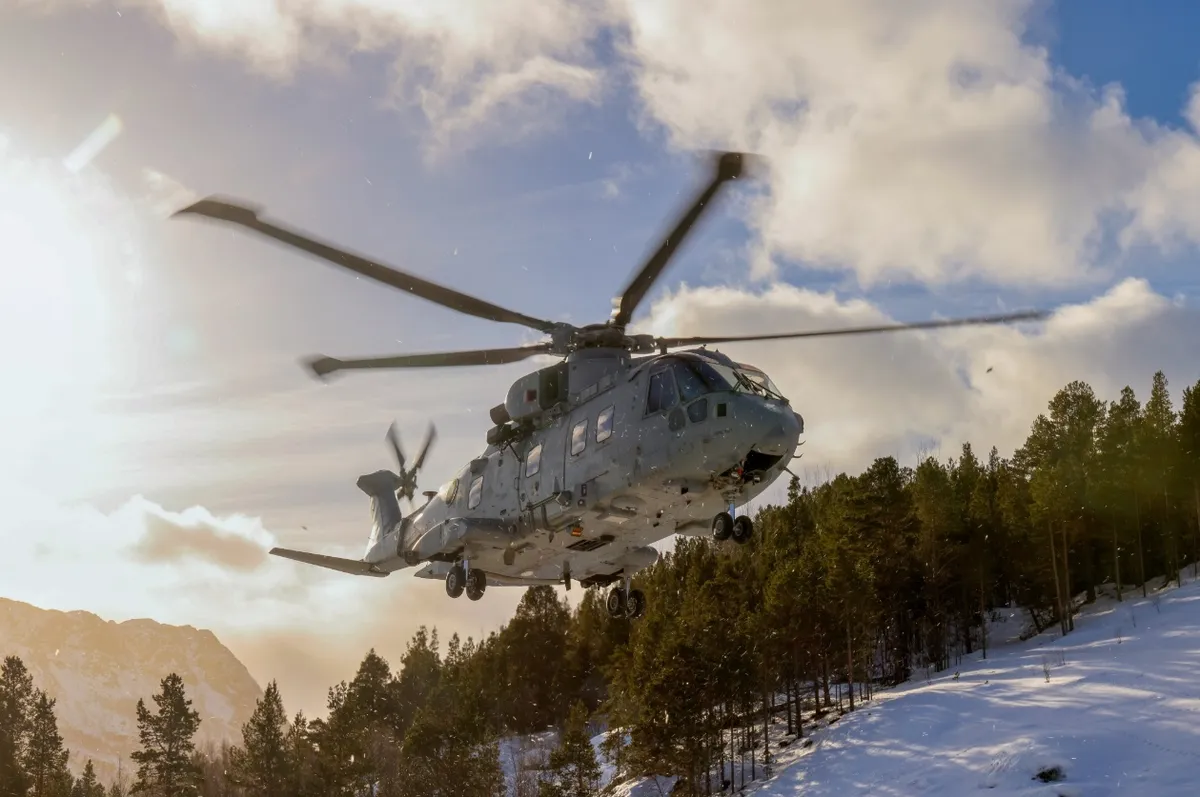
Expanded helicopter basing reduces UK and Norwegian response times to Russian surface and subsurface activity in the Barents and Norwegian Seas, lowering the operational cost of maintaining persistent ASW coverage without forward-basing additional airframes.
This does not drive new procurement but does improve utilization rates of existing fleets, deferring pressure on helicopter availability for other NATO theaters until the next force-structure review cycle.
This agreement operationalizes interoperability between two NATO allies in the North Atlantic, reducing coordination friction during contingencies and improving coverage in waters where Russian surface and submarine activity has increased.
The practical benefit depends on which helicopter platforms are covered (Merlin, Wildcat, or both) and whether the arrangement includes logistics/maintenance access — details the article does not specify. If reciprocal (Norwegian helicopters operating from UK vessels), it signals deeper integration; if one-way, it's primarily a UK force projection convenience.
The agreement is tactically useful but does not alter either nation's force structure or procurement plans.
Which helicopter types are included? Is the arrangement reciprocal? Does it include logistics, maintenance, and supply chain access, or only flight operations? What is the geographic scope and duration?
Fault Lines
Strategic intelligence, synthesized daily — with a public track record. Every call graded against what actually happened.