Navy MUSV Family Skips Prototyping; Production Units Arrive 2027 Amid Active Iran Conflict
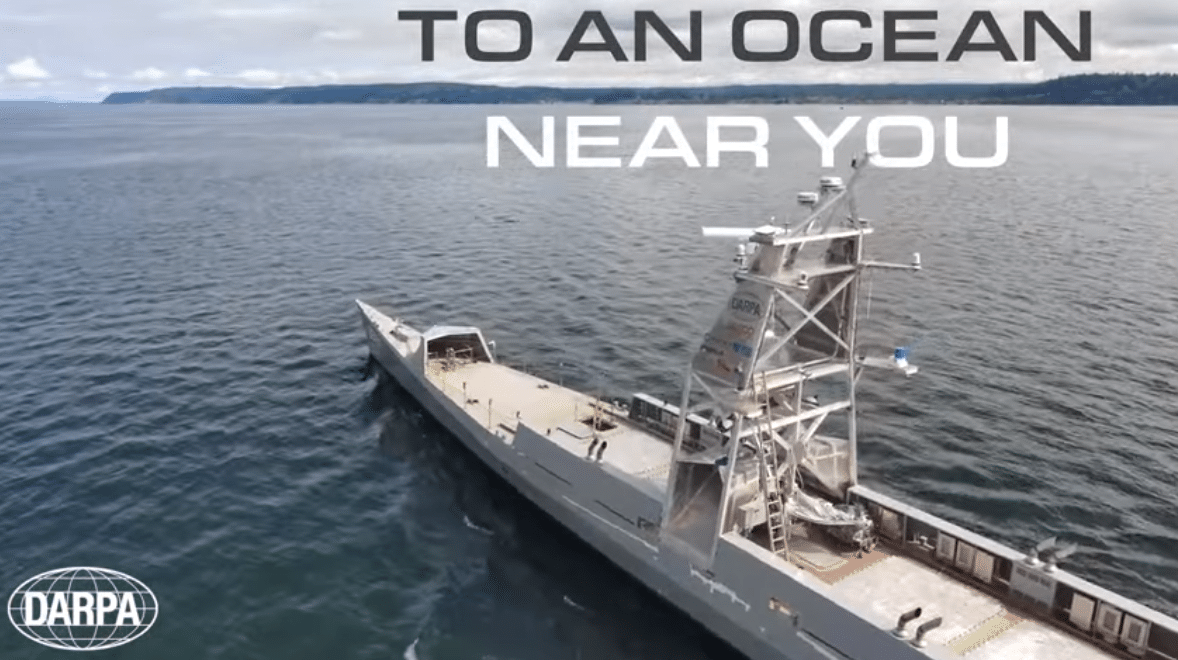
The acceleration of MUSV production under wartime acquisition rules (skipping prototyping) signals that unmanned surface platforms are now a primary vector for reducing U.S. naval crew risk in Iran-contested waters.
If MUSV payloads include extended-range ASW or anti-ship sensors, this procurement directly responds to Iranian frigate operations in the Indian Ocean and asymmetric strike capability demonstrated March 20-26. The 2027 timeline also suggests the Navy is building a post-conflict posture for sustained presence in the Indo-Pacific — treating this conflict as a catalyst for force design, not an anomaly.
The MUSV announcement represents an operational hedge against Iranian naval capability in the Indian Ocean and Persian Gulf during an active conflict.
Unmanned surface vessels reduce crew exposure in contested waters where Iran has demonstrated anti-ship targeting (Diego Garcia strikes on March 20) and asymmetric warfare capacity.
However, the article provides no specifics on MUSV payload, range, or defensive systems — critical details for assessing whether this platform addresses the demonstrated Iranian threat or is primarily a force-structure modernization timed to wartime urgency.
The 2027 delivery timeline means these systems will arrive after the immediate crisis window (April 6 Trump deadline), suggesting this is a structural response to sustained Iranian naval aggression, not a near-term tactical asset.
The article does not specify MUSV combat systems (sensors, weapons, defensive countermeasures), operational range, or how many units are planned.
Fault Lines
Strategic intelligence, synthesized daily — with a public track record. Every call graded against what actually happened.