Ukraine-Poland Parliamentary Pact Formalizes Defense Coordination Ahead of NATO Burden Shift
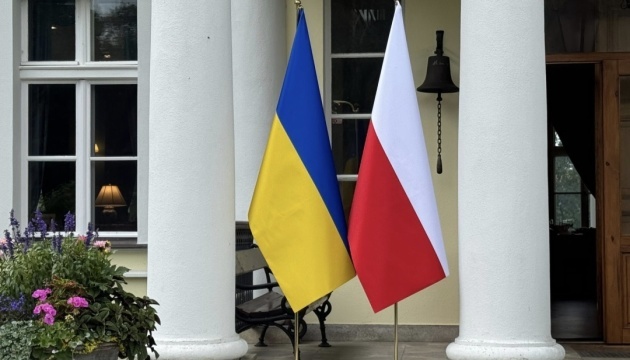
Parliamentary formalization of Ukraine-Poland defense ties shifts accountability from executive discretion to legislative oversight, which can either accelerate or delay weapons transfers depending on domestic political pressures in Poland.
If the agreement includes joint procurement or interoperability standards, it could force NATO allies to coordinate on Ukrainian equipment donations (e.g., standardizing ammunition, air defense systems) rather than ad-hoc bilateral transfers—this would consolidate logistics planning but require U.S. and European defense primes to align on Ukrainian-specific variants.
Conversely, if Polish parliament gains veto power over defense spending, political shifts in Warsaw could constrain the supply chain.
This signals Poland's intent to embed institutional oversight into Ukraine defense support—moving from ad-hoc military aid to structured parliamentary accountability.
For U.S. and allied defense planners, this matters because Poland is the primary logistics hub and training ground for Ukrainian forces; formalized parliamentary coordination could accelerate or constrain weapons transfers, training rotations, and interoperability standards depending on how the agreement is written and enforced.
The timing (February 2026, during ongoing conflict) suggests both countries are planning for a longer operational horizon and want legislative bodies—not just executives—aligned on resource commitments. Key unknown: whether this agreement creates binding budget obligations or merely advisory mechanisms.
The announcement does not specify what the agreement covers (military procurement, intelligence sharing, border security, refugee policy, post-conflict reconstruction), whether it includes binding fiscal commitments or timelines, or how disputes would be resolved.
Fault Lines
Strategic intelligence, synthesized daily — with a public track record. Every call graded against what actually happened.