Australia Prioritizes Seabed Infrastructure Defense; Navy Turns to Commercial Underwater Sector
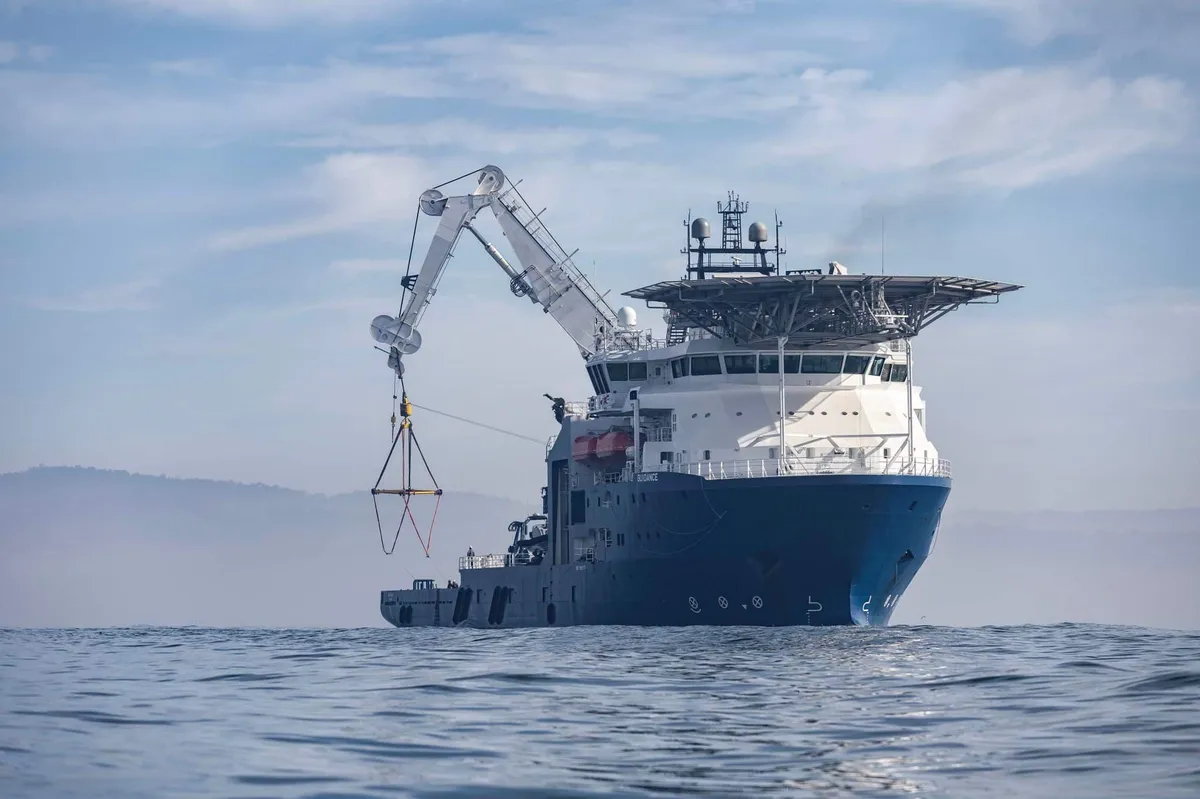
If Australia successfully operationalizes a commercial-led seabed defense model, it becomes a template for allied nations facing the same threat. The UK and US both operate critical undersea cables; neither has a mature seabed warfare doctrine.
But the RAN's reliance on commercial partners creates a structural fragility: ROV operators and subsea cable companies have global supply chains and are not currently hardened against export controls or sanctions. If China or Russia designates Australian undersea firms as sanctions targets (or if the US restricts dual-use underwater sensor exports), the entire capability collapses.
Australia is formalizing undersea infrastructure defense as a discrete military mission — a direct response to demonstrated cable-cutting operations (Finland charged Russian crew in June 2026 for the Fitburg anchor-drop incident).
The RAN's decision to source capability from the commercial sector rather than developing organic capacity signals a timeline constraint: the Navy believes it cannot wait for traditional defense-industrial procurement cycles.
This forces Australian commercial submarine operators, remotely operated vehicle (ROV) firms, and underwater sensing companies into a de facto force-structure role — and creates a new vulnerability vector if those firms face sanctions, export restrictions, or supply-chain disruption. Watch whether Australia formally designates CUI protection as part of the AUKUS framework, which would bind UK and US support.
Does the RAN have a specific timeline for operational capability, and are they targeting a particular technology (autonomous seabed sensors, underwater drones, cable-repair vessels)?
Fault Lines
Strategic intelligence, synthesized daily — with a public track record. Every call graded against what actually happened.