SOCOM Deploys AI at Tactical Level; Autonomy Rollout Pace Outpaces Pentagon Mainline Programs
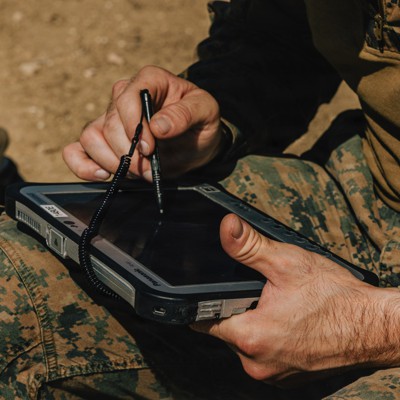
SOCOM's acceleration on AI/autonomy creates a two-vector pressure on the defense industrial base: (1) Primes investing in legacy mainline platforms face margin compression if SOCOM-validated AI systems are retrofitted into conventional forces faster than planned upgrade cycles allow; (2) smaller AI/autonomy vendors and startups now have a proof-of-concept customer (SOCOM) that can drive adoption across allied special operations forces, creating a non-traditional export pathway for autonomous systems that bypasses conventional arms control reviews.
SOCOM's operational tempo on AI/autonomy integration is now a de facto testbed for Pentagon-wide doctrine.
If SOCOM's tactical-level AI systems prove effective in the field, they become the baseline for mainline force integration — meaning Army, Navy, Air Force procurement offices face pressure to match SOCOM's timeline or lose interoperability. The risk: SOCOM optimizes for special operations (small teams, permissive ROE, high-value targets) and builds systems that don't scale to conventional warfare.
Conversely, if SOCOM's approach works, it accelerates the obsolescence of legacy command-and-control architectures across the force. Watch whether SOCOM's AI integration includes rules of engagement modifications or autonomous targeting authority — those would signal a deeper doctrinal shift than just tool adoption.
Does SOCOM's 'every level' autonomy claim include autonomous targeting and engagement, or is it confined to ISR, logistics, and non-lethal decision support? The distinction determines whether this is capability enhancement or a rules-of-engagement boundary shift.
Fault Lines
Strategic intelligence, synthesized daily — with a public track record. Every call graded against what actually happened.