RSF Cross-Border Attack Into Chad Exposes Porous Darfur Frontier and SAF Sanctuary Risk
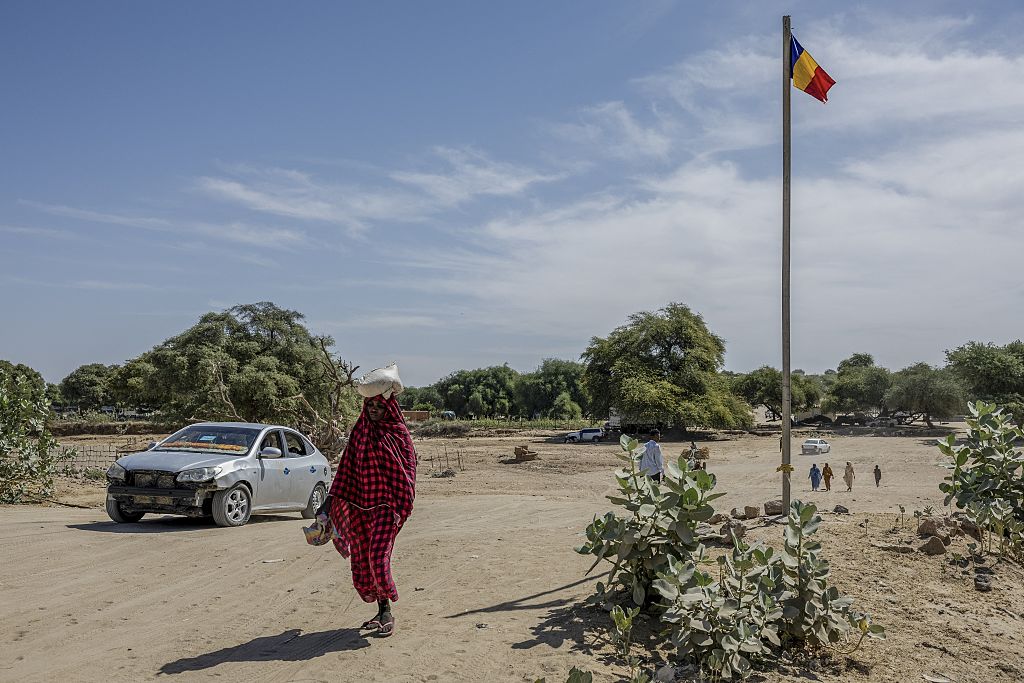
RSF cross-border operations convert a bilateral Sudan conflict into a sub-regional power vacuum problem. If Chad cannot credibly deny RSF sanctuary or deter incursions, French and U.S. counterterrorism operations in Chad lose the assumption of a stable rear area — forcing a reallocation of ISR, air support, and logistics away from Niger and Mali operations toward Chad's eastern border.
This directly compresses the force posture that underpins the Sahel counterterrorism mission.
This signals that the Sudan conflict's geographic containment is eroding.
If RSF pursues SAF units into Chad with impunity, Chad's military — already stretched thin across the Sahel — faces a two-front problem: Chadian Army operations against domestic insurgents plus potential RSF incursions.
For defense planners, this raises immediate questions about French (Operation Barkhane successor) and U.S. counterterrorism presence in Chad: will RSF activity force a restationing or expansion of advisory footprint, or will it expose gaps in partner-force capability?
The attack also creates a precedent for transnational militia operations in West Africa, potentially emboldening other non-state actors to treat borders as tactical obstacles rather than constraints. The absence of a Chadian military response (per the article) suggests limited air or ground capacity to deter repeat incursions.
The article does not specify whether Chad formally protested to Sudan, whether RSF claimed the attack as intentional versus collateral pursuit, or what Chadian casualties represented relative to total camp strength.
Fault Lines
Strategic intelligence, synthesized daily — with a public track record. Every call graded against what actually happened.