Ukraine Strikes Russian LNG Tanker Near Malta; Energy Logistics Vulnerability Exposed
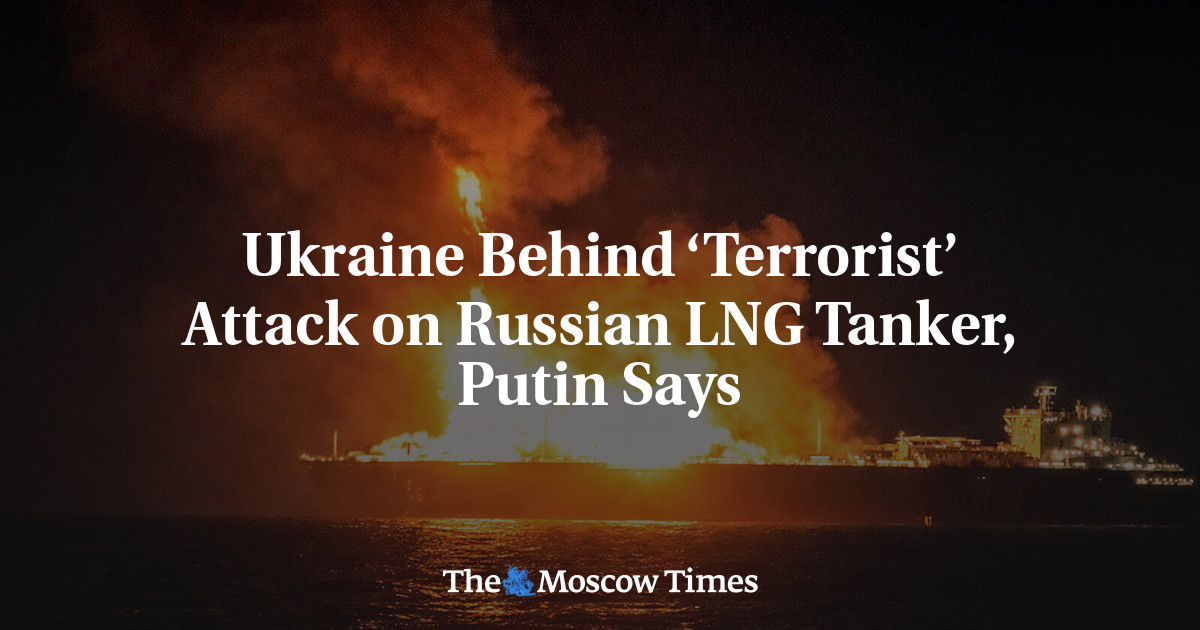
Expansion of Ukrainian strikes into international waters converts energy shipping from a civilian logistics problem into a contested domain where military targeting doctrine now applies.
If Ukrainian operations successfully degrade Russian LNG export capacity or force rerouting, European energy prices rise and industrial margins compress — forcing allied governments to either increase strategic petroleum reserves (capital diversion from defense spending) or accept higher energy costs that reduce defense industrial output.
Simultaneously, if Russia retaliates by targeting NATO-flagged tankers, the incident becomes a flashpoint for NATO Article 5 invocation, collapsing the distinction between energy security and collective defense.
If confirmed, this marks an expansion of Ukrainian targeting beyond Russian territory into international waters, raising insurance and routing costs for LNG shipments to Europe and threatening the viability of maritime energy logistics in the Eastern Mediterranean.
Lloyd's of London and maritime insurers will likely reassess premiums for Russian energy cargo, compressing margins on spot LNG deals and forcing longer transit routes around Africa — a cost multiplier that cascades into European energy prices and industrial competitiveness.
The incident also tests NATO's ability to enforce freedom of navigation in waters where it has no direct military presence; if unresponded, it signals tacit acceptance of Ukrainian strikes on Russian commercial shipping, which could invite Russian retaliation against non-combatant vessels flagged to NATO allies.
The article provides no independent verification of the attack, damage sustained, the tanker's destination or cargo volume, or evidence of Ukrainian attribution beyond Russian allegation.
Fault Lines
Strategic intelligence, synthesized daily — with a public track record. Every call graded against what actually happened.