Congressional Scrutiny of Iran War Justification Emerges Mid-Campaign; Intel Chief Faces Bipartisan Questions
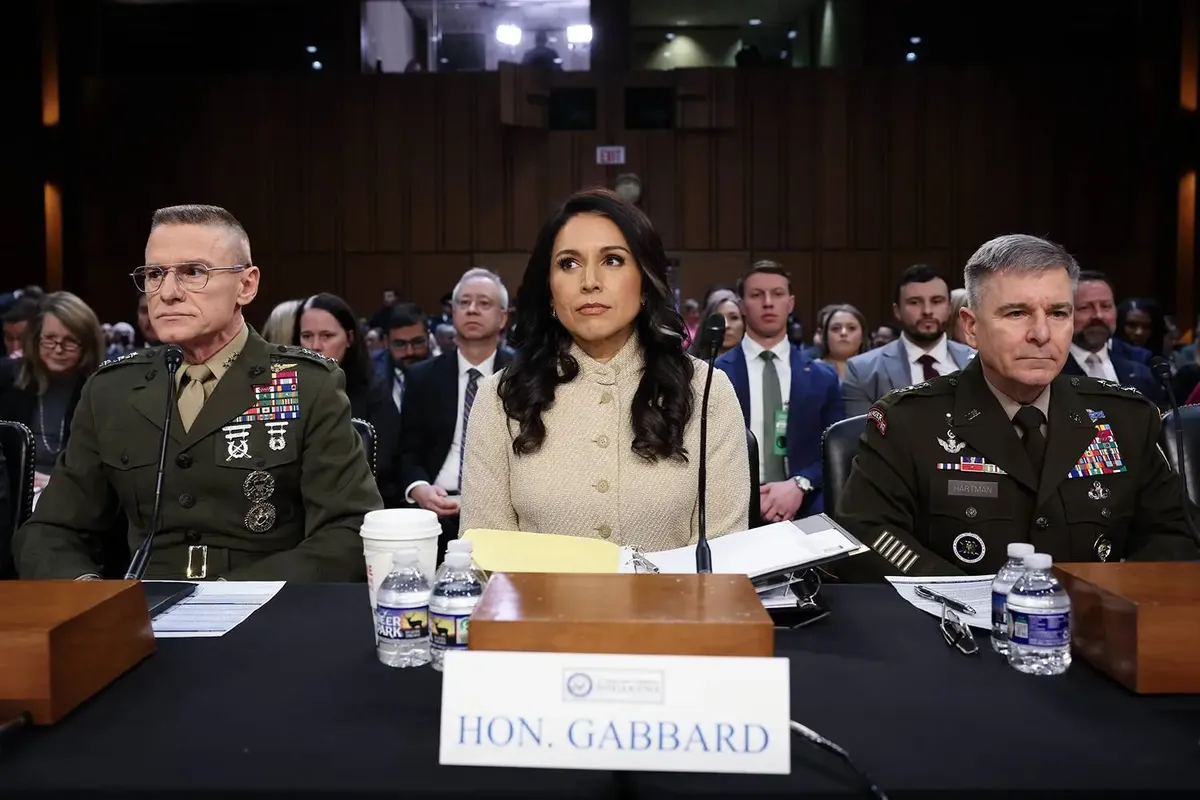
Congressional demand for intelligence justification, if sustained, will force the administration to declassify or defend specific assessments of Iran's nuclear timeline and weapons intent.
If those assessments cannot withstand public scrutiny, authorization for further strikes (particularly on civilian dual-use facilities like Bushehr or energy infrastructure) will narrow, potentially halting the campaign before Iran's nuclear facilities are fully degraded.
Conversely, if Gabbard successfully re-establishes the nuclear rationale, it removes a domestic constraint on operations—but only if the classified record is actually compelling.
This is the first signal of domestic political friction over war justification while active strikes continue.
If congressional skepticism hardens into formal oversight (Armed Services or Intelligence Committee hearings with testimony records), it could constrain the administration's operational tempo, force public disclosure of intelligence assessments, or create legislative pressure for a negotiated off-ramp.
The timing—occurring simultaneously with strikes on civilian infrastructure (Bushehr nuclear plant, energy facilities) and Iranian leadership decapitation—suggests lawmakers may be questioning whether the stated nuclear threat warrants the scope of current operations. Watch whether this translates into appropriations conditions, authorization language, or calls for a war powers resolution.
The article does not specify which lawmakers questioned Gabbard, what specific justifications were challenged, or what Gabbard's responses were. Without those details, we cannot assess whether this is routine oversight or the start of a fracture in congressional support.
Fault Lines
Strategic intelligence, synthesized daily — with a public track record. Every call graded against what actually happened.