UK Commits £600M to Ukrainian Air Defense in Two Months; Ammunition Supply Becomes Constraint
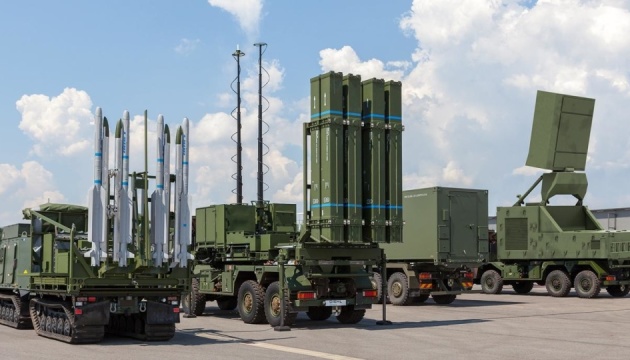
UK air defense spending acceleration will compete with British procurement for NATO's own air defense modernization (particularly as Europe responds to Iranian and Russian drone proliferation signaled in the past 72 hours).
If British production is the constraint, increased Ukrainian orders will delay UK military replenishment, forcing NATO allies to substitute with US or European systems — a shift that redirects scarce air defense munitions away from NATO stockpiles and into the Ukraine theater. This matters because NATO's own air defense posture against Russian and Iranian threats is tightening simultaneously.
This represents sustained allied commitment to Ukrainian air defense during active Russian operations, but the scale and composition matter for operational impact.
Without knowing whether this funds ammunition (consumable, immediate effect), platforms (durable, longer lead-time), or both, the strategic consequence is unclear.
If the majority funds munitions rather than systems, it signals recognition that air defense attrition is the binding constraint on Ukrainian defensive capability — a fact that will determine whether future pledges focus on production surge rather than platform transfers.
If it funds platforms, it extends the timeline for Ukrainian air superiority but requires domestic or allied ammunition production to sustain those platforms. The rate of British commitment (£600M in 8 weeks) suggests political will to match attrition, but not whether UK production or NATO-wide sourcing can sustain that cadence.
The article does not specify the breakdown between ammunition, air defense systems (e.g., additional Starstreak, GMLRS, Patriot missiles), and support equipment. It also does not state delivery timelines or whether these funds are new allocations or accelerations of previously announced commitments.
Fault Lines
Strategic intelligence, synthesized daily — with a public track record. Every call graded against what actually happened.