Space Force Projects 30,000 Satellites by 2040; AI Autonomy Reshapes Ops Architecture
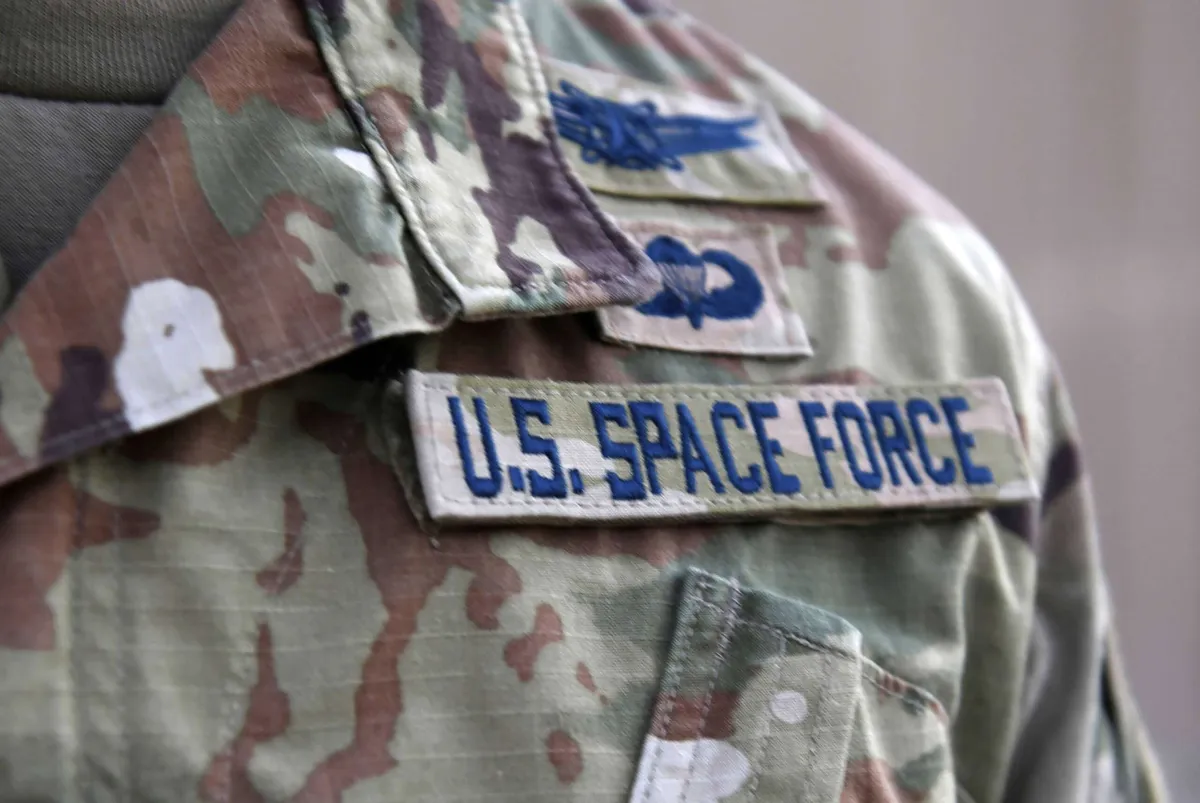
The Space Force's commitment to 30,000-satellite operations by 2040 locks in sustained demand for small-sat manufacturing and launch services, directly benefiting Rocket Lab, Axiom Space, and Northrop Grumman's OTA division. However, this plan assumes uncontested access to space — a risk that the Iran-China ISR integration (April 15) and China-Russia Hormuz veto (April 16) suggest is eroding.
If China or Russia field credible anti-satellite capabilities targeting constellations, the cost-per-satellite and redundancy assumptions embedded in this 15-year plan become unaffordable.
This projection directly impacts satellite procurement timelines and industrial capacity planning.
The 30,000-satellite figure implies sustained demand for launch services, small-sat manufacturing, and ground station networks — but the article does not specify how many are military vs. commercial, or which contractors are positioned to supply the constellation.
The AI/autonomy claim signals a shift away from human-in-the-loop ISR and targeting workflows, which cascades into training doctrine and threat-assessment latency. Against the backdrop of Iran's recent weaponization of Chinese satellite ISR (April 15 signals), this plan assumes U.S. space superiority and resilience to anti-satellite threats — a non-trivial assumption if the force structure lacks redundancy at scale.
The plan's feasibility depends on launch cadence and cost per satellite; neither is disclosed here.
The article does not break down the 30,000-satellite figure by mission type (ISR, communications, targeting, early warning), by contractor, or by launch provider. It does not address cost estimates, production bottlenecks, or resilience to kinetic anti-satellite weapons.
Fault Lines
Strategic intelligence, synthesized daily — with a public track record. Every call graded against what actually happened.