UK Funds Ukrainian AI Center to Deploy Autonomous Systems on Active Frontline
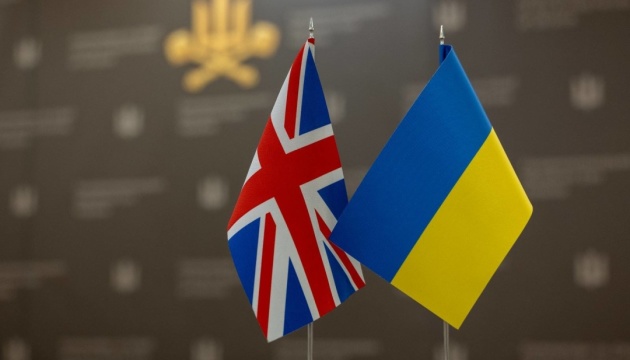
UK investment in Ukrainian AI systems creates a procurement precedent for allied defense tech transfer during active conflict, potentially opening space for similar commitments from US, France, or Poland on parallel projects.
This also signals that NATO allies view autonomous systems as a manpower substitute rather than a force enhancement—a calculation driven by Ukraine's personnel losses (estimated 500K+ casualties) and the grinding attrition phase now underway after 2+ years of war.
This represents a shift in allied support away from purely kinetic aid toward force-multiplication through autonomous systems at a moment when Ukraine faces manpower constraints and artillery ammunition shortages.
However, the absence of funding figures, deployment timelines, or technical specifications limits assessment of whether this is a substantive capability addition or a symbolic commitment. The real indicator will be whether systems reach operational units within 6-12 months or remain in development.
The article does not specify: funding amount, timeline to operational deployment, which AI applications (autonomous targeting, logistics optimization, drone swarming, intelligence fusion), or whether systems will be integrated with existing Ukrainian command infrastructure.
Fault Lines
Strategic intelligence, synthesized daily — with a public track record. Every call graded against what actually happened.