Trump Clears South Korea to Build Nuclear Subs in US; Seoul Begins Domestic Prep
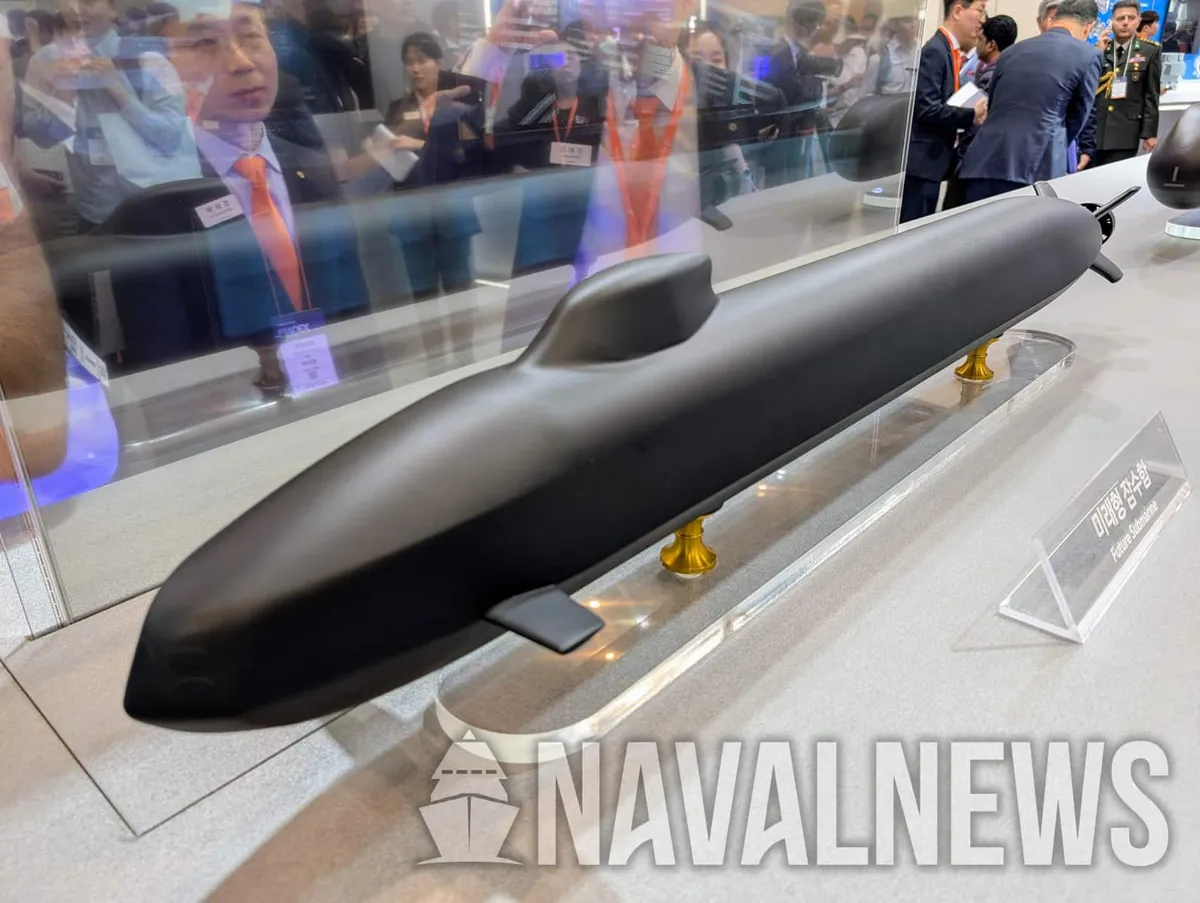
US approval to build South Korean nuclear submarines in American shipyards (or under US technical oversight) forces a reallocation of US nuclear submarine industrial capacity and skilled labor away from the Virginia-class and Columbia-class programs, or requires expansion of existing yards (likely Electric Boat or Newport News).
If construction occurs in South Korea under US license, it creates a new export control regime for nuclear propulsion technology, setting precedent for future allied access and complicating China's claims that US-ROK cooperation violates non-proliferation norms.
Either path shifts the competitive position of DSME and Hyundai Heavy Industries relative to Japanese and European shipbuilders in the Indo-Pacific naval market.
This approval removes the primary regulatory barrier to South Korea's nuclear submarine ambition, which directly amplifies Seoul's undersea deterrent against North Korea and China.
However, the signal is incomplete: the article confirms Trump's authorization and Seoul's intent to prepare, but omits whether construction will occur in the US, South Korea, or both; what the cost and timeline are; and whether this involves technology transfer or co-production.
Without those details, investors and program managers cannot assess impact on US shipyards, Korean Aerospace Industries (KAI) or Daewoo Shipbuilding & Marine Engineering (DSME), or the industrial base required to support nuclear submarine manufacturing. The approval itself is significant for alliance signaling, but execution risk remains high.
The article does not specify whether construction will take place in the US or South Korea, the estimated cost and schedule, or the extent of US technology transfer and oversight.
Fault Lines
Strategic intelligence, synthesized daily — with a public track record. Every call graded against what actually happened.