Russian Forces Attack Ukrainian Rescue Vessels; Civilian Maritime Operations Now Targeted
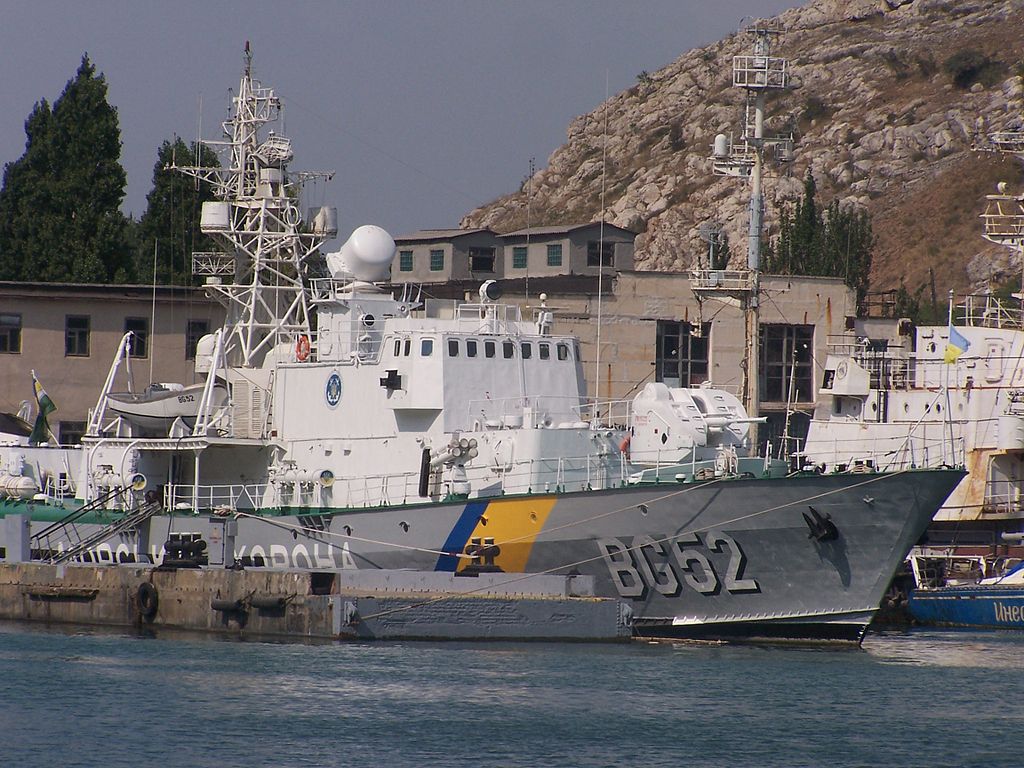
The attack pattern suggests Russia is closing off Ukrainian maritime operations below the threshold of conventional naval engagement.
If rescue vessels become too dangerous to operate, Ukraine loses the ability to recover damaged drones, retrieve munitions from failed strikes, or conduct casualty extraction from coastal areas — all of which compress the kill chain that real-time satellite feeds have already accelerated.
This forces Kyiv to rely on land-based logistics for the same missions, extending supply lines and increasing exposure to Russian deep strikes on transport nodes (which Ukraine has already doubled in frequency). Moscow may be attempting to trade tactical naval losses for strategic denial of Ukrainian maritime recovery capacity.
Ukraine's ability to conduct maritime rescue and recovery operations — already constrained by Russian naval dominance — now faces direct targeting, forcing Kyiv to either withdraw rescue assets or accept casualties among civilian crews.
This creates a secondary constraint on Ukrainian logistics and morale: every vessel lost to attack is one fewer asset available for supply runs, casualty evacuation, or damage assessment. The timing matters: Ukraine is simultaneously executing a 1,800-missile anti-ship arsenal expansion (per recent reporting) and doubling deep-strike frequency against Russian rear logistics.
If Russia is now hunting civilian rescue craft, it signals Moscow is degrading Ukrainian maritime resilience as a pre-emptive counter to that anti-ship buildup.
Were the rescue vessels clearly marked with Red Cross or Red Crescent insignia, and did Russia deliberately target them, or were they collateral to strikes on military assets nearby? The distinction determines whether this constitutes a war crime allegation.
Fault Lines
Strategic intelligence, synthesized daily — with a public track record. Every call graded against what actually happened.