Norway Approves €24M Fen Rare Earths Pilot Plant; Operations Begin Q3 2027
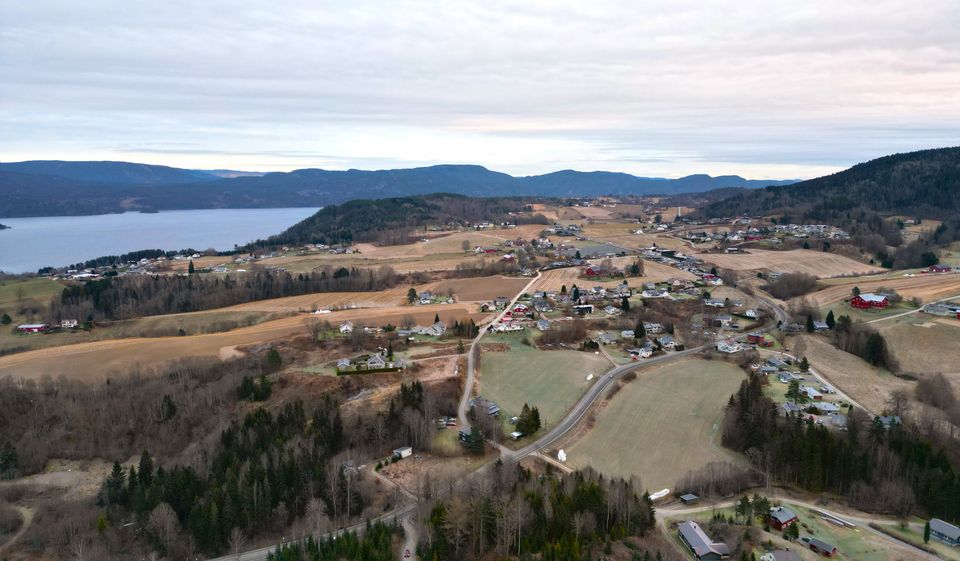
Neodymium and praseodymium are the bottleneck in Europe's EV and wind supply chains — not the ore, but the magnets. If Fen reaches commercial scale by 2032-2034, it removes Moscow and Beijing's leverage over European electrification timelines.
The earlier constraint was political: Norway's government taking over zoning in April and setting a 2028 completion target signals Oslo views this as NATO-adjacent infrastructure, not a mining project. That framing accelerates permitting but also raises the bar for cost — the pilot must prove it can feed European magnet-makers at volumes that matter, not just niche defense procurement.
The EU is moving from strategic vulnerability acknowledgment to operational decoupling from Chinese rare earths supply.
Fen's pilot timeline (Q3 2027) puts European magnet-makers and defense contractors on notice: a non-Chinese supply chain exists and will be ready for qualification trials within 18 months. The constraint is not ore — Fen holds 1.7 million tonnes of indicated oxides — but processing scale and European customer willingness to absorb qualification delays and price premiums.
Watch whether Airbus, Siemens Wind Power, or major EV OEMs commit to long-term offtake agreements by Q2 2027; absence signals they're still hedging Chinese supply despite EU rhetoric.
Does the pilot's processing route actually achieve the cost-competitiveness needed to displace Chinese rare earths in commercial production, or will early 2030s output price at a 20-30% premium that limits adoption to defense and critical infrastructure only?
Fault Lines
Strategic intelligence, synthesized daily — with a public track record. Every call graded against what actually happened.