Ukraine Strikes Primorsk Oil Terminal; Russia's Baltic Export Capacity Under Sustained Attack
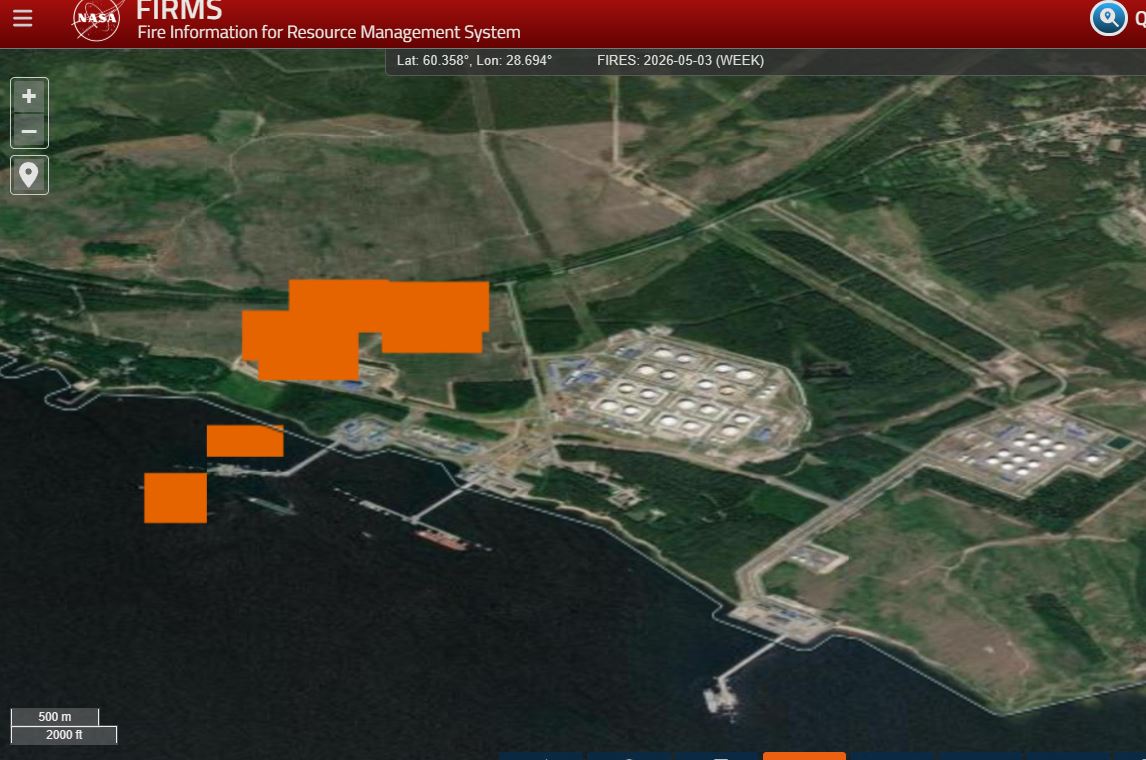
The convergence of Ukrainian strikes on Russian export terminals and Trump's Iran blockade creates a dual-supply shock in crude markets. If Primorsk capacity drops 30%+ and Iranian barrels remain locked out, European refineries lose 2-3 million barrels per day of combined supply, forcing them to bid for Atlantic Basin crude or Middle Eastern alternatives — both more expensive and diplomatically complicated.
This inverts the energy leverage dynamic: instead of Russia using oil exports to fracture European resolve, Europe's energy scarcity becomes a forcing function for either escalating support for Ukraine (to restore Russian supply pressure) or negotiating an end to the conflict.
Ukraine is systematically degrading Russia's ability to monetize its oil sector — the primary hard-currency revenue source sustaining the war economy.
Primorsk handles roughly 60% of Russia's Baltic oil exports; sustained damage there forces Moscow to rely on aging Black Sea terminals (now under attack) and the Arctic route via the Northern Sea Route, both costlier and slower.
This compounds the effect of the Iran blockade on global oil markets: if both Russian and Iranian crude face physical/logistical constraints, European refineries dependent on Russian supply face genuine scarcity within 60-90 days. The timing matters: this strike lands as Trump's blockade of Iranian oil is hardening (explicit piracy language, shipping sanctions threats), tightening the global crude market.
Ukraine is not just disrupting Russian war finance — it's creating conditions for energy price shocks that could force European governments to recalibrate their support for Kyiv if heating fuel costs spike into winter.
What is the actual throughput loss at Primorsk from this strike? The article cites fires but not damage assessment — is this a temporary shutdown (days) or structural damage requiring months of repair? Throughput numbers would clarify whether this is a harassment strike or a capacity-killer.
Fault Lines
Strategic intelligence, synthesized daily — with a public track record. Every call graded against what actually happened.