Rwanda Extends Military Deployment to Mozambique as ISM Attacks Surge Past 500 in 2025
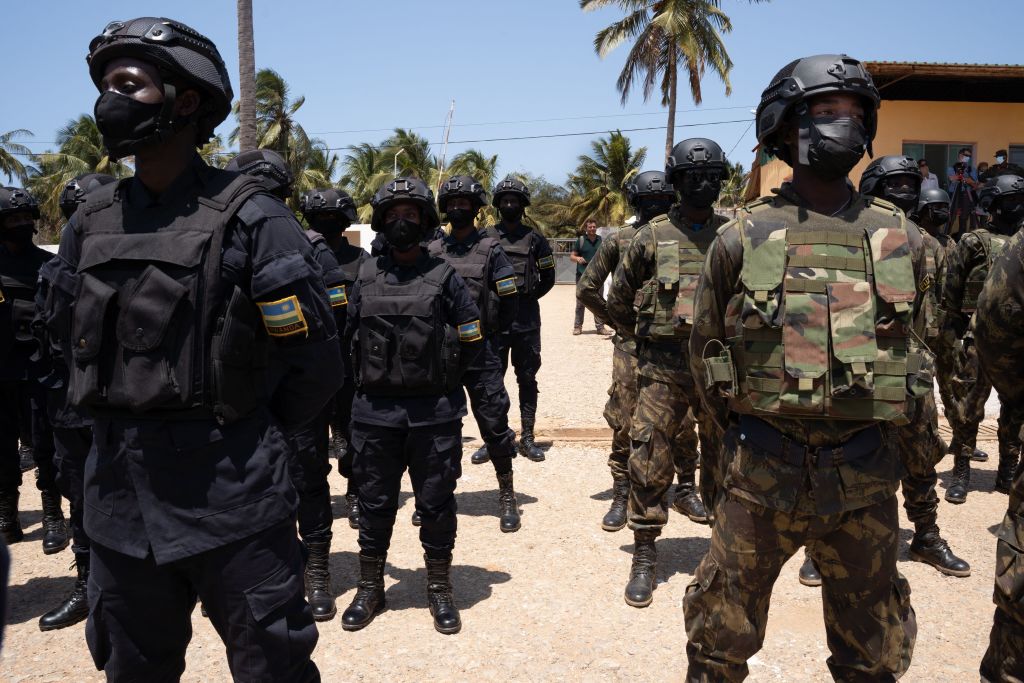
Rwanda's extended deployment in Mozambique creates a precedent for non-Western military interventions in sub-Saharan Africa without NATO or US authorization, potentially reducing Western leverage to shape counterinsurgency doctrine or equipment standards in the region.
If Rwanda's presence stabilizes Cabo Delgado without Western military aid, it may discourage Mozambique from modernizing its own forces through Western procurement channels, redirecting equipment spending toward Chinese or Russian suppliers who have fewer conditionality requirements.
Rwanda's extended commitment signals that Mozambique's own military capacity remains inadequate to degrade ISM operations without external support.
The underlying constraint—Mozambique's force structure and equipment gaps—is structural, not temporary, meaning Rwanda's presence is likely to persist beyond initial deployment windows.
This creates an opening for defense contractors to pitch equipment modernization packages to Mozambique's Ministry of Defence (training systems, ISR platforms, small arms ammunition) and for regional security partnerships (with Angola, Tanzania, South Africa) to formalize into equipment-sharing or joint procurement arrangements.
The key variable determining escalation: whether ISM attacks shift from rural Cabo Delgado into major urban centers (Maputo, Beira) or target energy infrastructure (liquefied natural gas facilities), either of which would force NATO/US consideration of direct advisory or logistical support.
The article does not specify the size of Rwanda's extended deployment, the duration of the extension, the specific equipment or training Rwanda is providing, or whether Mozambique has requested or funded any of this assistance.
Fault Lines
Strategic intelligence, synthesized daily — with a public track record. Every call graded against what actually happened.