B-21 Raider Completes First Weapons Release Test, Transitioning From Flight Test to Strike Platform
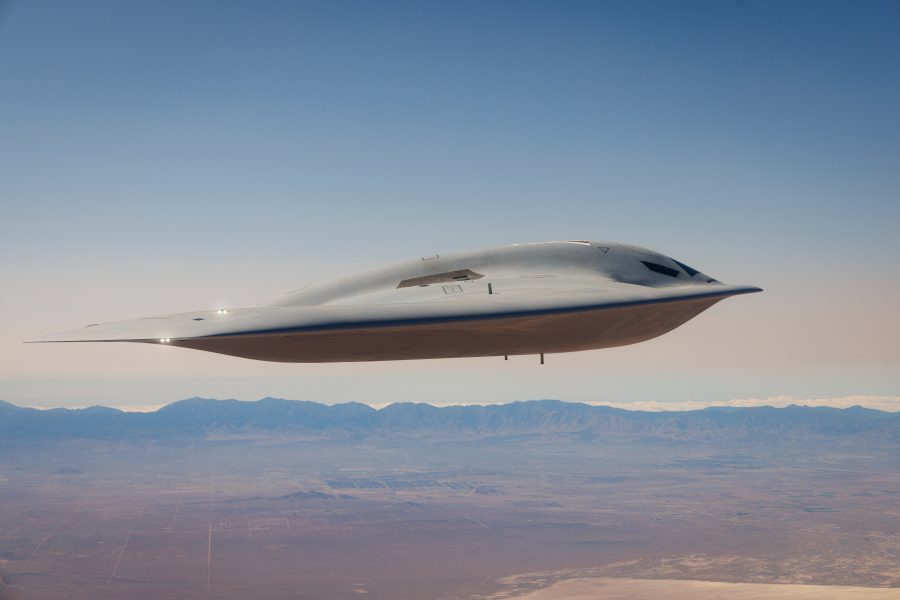
The digital twin approach cutting pre-flight modeling time is the production claim worth scrutinizing: if it holds at scale, Northrop can compress the weapons certification timeline for each new munition the Air Force wants to integrate, which matters because the B-21's open systems architecture is only as valuable as the speed at which new weapons actually clear the process.
The Layton and Palmdale facility investments signal Northrop is betting on a production rate well above the minimum sustaining rate, but the article does not state what that target rate is — and the gap between facility capacity and contracted production numbers is where program risk lives.
Air Force Secretary Troy Meink's statement that the test 'validates digital models and the maturity of its open systems architecture' is the first official confirmation that the B-21's digital twin methodology has cleared the weapons integration hurdle — the step that historically consumes years in conventional flight test programs.
Northrop Grumman's new 265,000-square-foot Layton, Utah facility and the 1-million-square-foot Plant 42 assembly line under construction in Palmdale are now the pacing items between this test milestone and the first operational aircraft arriving at Ellsworth Air Force Base in 2027. If Northrop sustains the accelerated test pace it described, the Ellsworth delivery date is the next hard checkpoint.
What conventional weapon was released in the test, and does the weapons integration queue prioritize nuclear certification or conventional long-range strike munitions first — given that STRATCOM's deterrence posture in the current Iran conflict depends on which comes sooner?
Fault Lines
Strategic intelligence, synthesized daily — with a public track record. Every call graded against what actually happened.