Lyra Systems Signs 5-Year AFRL CRADA to Automate Space Tech Integration
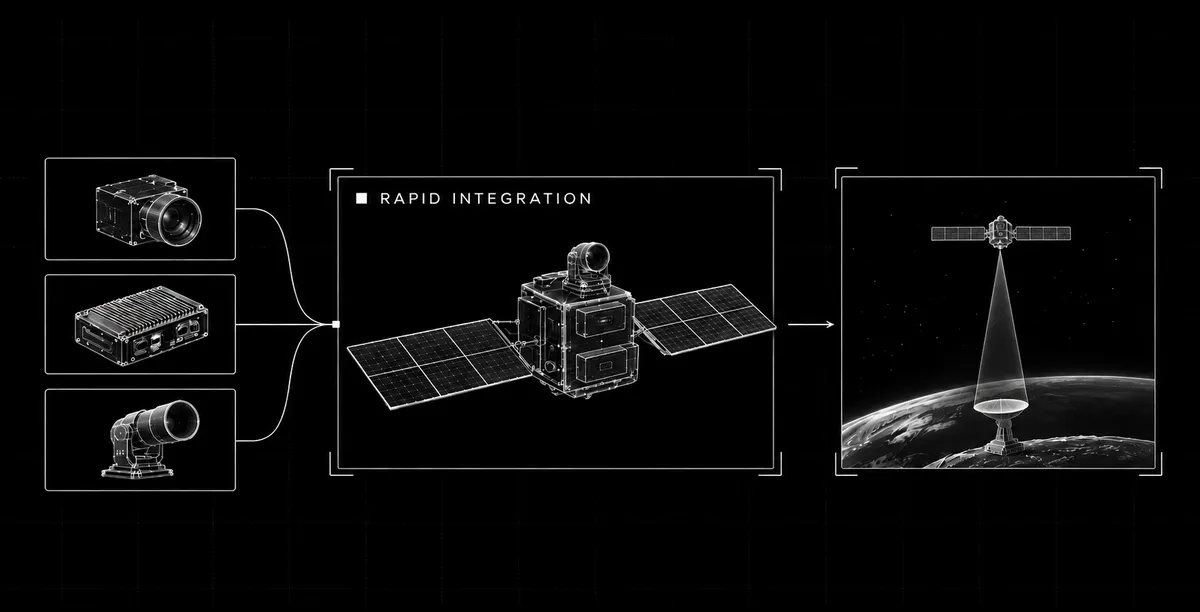
If Lyra's AI integrator can demonstrably cut integration timelines, the pressure falls on established systems integrators — particularly mid-tier firms that derive margin from the manual integration work Lyra is automating.
The more consequential test is whether AFRL will actually allocate launch slots and mission manifests to Lyra-integrated payloads on a predictable schedule; without that commitment, the pathway is a process improvement with no guaranteed exit ramp into operational use.
SpaceWERX's framing of this as 'a repeatable integration pathway for nontraditional vendors' is the operative phrase: AFRL is not just funding a startup, it is trying to institutionalize an on-ramp that the existing acquisition system has failed to provide.
A July GAO report cited in the article found major defense-acquisition programs average 12-plus years to deliver, and Sai attributes the space-specific bottleneck to manual integration work rather than capital — a diagnosis that, if correct, means the hundreds of millions in defense VC deployed into space-tech startups over the past few years is sitting behind a process constraint, not a funding one.
Lyra plans to announce vendor participation opportunities for its first in-space demo mission in the coming months.
Does Lyra's CRADA include any committed AFRL funding or flight manifest slots, or is it a framework agreement that still requires startups to self-fund integration work through Lyra's platform?
Fault Lines
Strategic intelligence, synthesized daily — with a public track record. Every call graded against what actually happened.