Ukraine Deploys 201 Military Experts to Middle East; Shahed Defense Training Expands Regional Air Defense
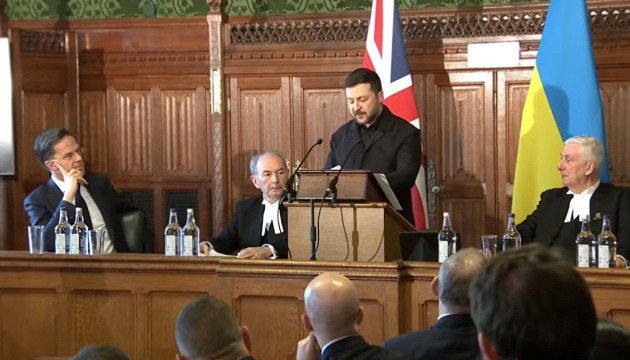
Ukraine's Shahed expertise deployment accelerates fragmentation of Middle East air defense architecture away from sole US dependency.
If Gulf air forces adopt Ukrainian-trained procedures and non-US drone-detection systems, this reduces the premium on US Patriot and THAAD sustainment contracts in the region and creates a competing standard for allied air defense interoperability — forcing US contractors (Raytheon, Lockheed) to either bundle Ukrainian expertise into their own training pipelines or cede market share to European and Ukrainian defense firms in post-conflict Middle East reconstruction.
Ukraine is converting its operational experience with Russian Shahed drone attacks into a revenue and alliance-building asset by embedding expertise in allied air defense networks.
This creates two concrete effects: (1) Gulf states gain institutional knowledge of Shahed vulnerabilities and countermeasures, reducing their dependence on US air defense systems for this specific threat; (2) Ukraine secures forward presence and intelligence access in a region where US-Israel operations are consuming munitions at rates exceeding production, potentially positioning Ukrainian firms for post-conflict reconstruction and drone-defense contracts.
The timing is critical — Zelensky is monetizing Ukraine's hard-won expertise while Gulf states are privately demanding the US eliminate Iran entirely, creating demand for non-US air defense solutions.
The article does not specify which Gulf states are hosting Ukrainian experts, whether training is occurring at US bases (complicating command relationships), what specific Shahed countermeasures are being taught, or whether this deployment is generating revenue for Ukraine or is purely diplomatic.
Fault Lines
Strategic intelligence, synthesized daily — with a public track record. Every call graded against what actually happened.