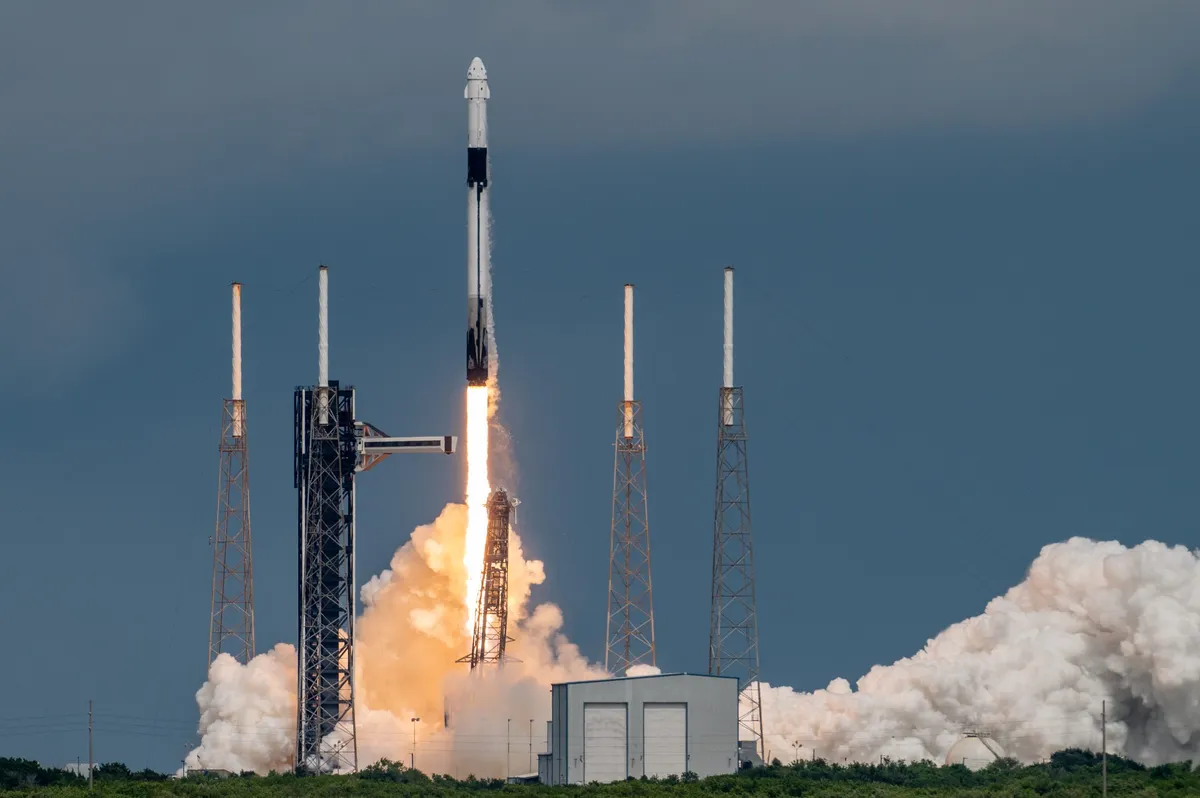
Space Force projects 500 annual launches at Cape Canaveral by 2036
This connects to Power Projection and Market Forces. On power projection: sustained launch capacity underpins space-based ISR, communications, and PNT for peer competition (Indo-Pacific focus).
On market forces: if the Space Force invests in range infrastructure, it creates procurement demand for ground systems, range operations, and sustainment contracts—likely benefiting defense primes with Eastern Range contracts (Jacobs, Parsons, Leidos historical incumbents). Limited cross-pillar relevance; primarily a capacity planning signal within the space industrial base.
This projection signals sustained demand for U.S. government launch capacity and flags infrastructure as a potential bottleneck.
If the forecast holds, it commits the Space Force to major range modernization spending (not quantified in this article) and creates near-term competition for slot allocation among national security, commercial, and international missions. The constraint is not demand—it's ground infrastructure.
For launch providers (SpaceX, ULA, Axiom, others) and their supply chains, this matters only if the Space Force actually funds the upgrades and enforces slot discipline; without both, the projection is aspirational. Key unknown: whether 500 is a capacity ceiling or a planning target, and how the Space Force will arbitrate among government, commercial, and allied launch requests.
The article does not specify which infrastructure upgrades are required, their estimated cost, current funding levels, or the timeline for completing them.
Fault Lines
Strategic intelligence, synthesized daily — with a public track record. Every call graded against what actually happened.