Ukraine Destroys Russian Kasta Radar in Zaporizhzhia; Air Defense Targeting Capability Degraded
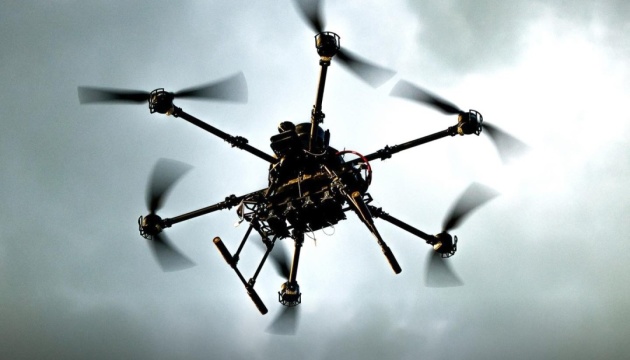
Destruction of forward air defense radars increases the operational window for Ukrainian unmanned systems and rotary-wing assets in contested airspace, which in turn affects the feasibility of Ukrainian strikes on rear-area Russian logistics and command nodes.
If Ukraine is conducting systematic radar attrition operations, Russian air defense sustainment demand rises — forcing a choice between forward repair/replacement or operational coverage gaps. This directly affects the viability of Russian air superiority doctrine in the sector.
Kasta radar destruction directly reduces Russia's ability to detect and engage low-altitude Ukrainian aircraft and drones in an active sector.
However, a single radar loss does not indicate a structural collapse of Russian air defenses — the system is mobile and fielded in redundancy across multiple positions. The tactical relevance depends on whether Ukraine is systematically targeting Kasta networks or whether this was an isolated strike.
For defense investors, this confirms continued Ukrainian drone-strike effectiveness against Russian air defense infrastructure, but does not clarify whether attrition rates are forcing Russian force redesign or whether losses are being replaced.
The article does not specify: the method of attack (drone, missile, special operations); whether this was one of multiple Kastas destroyed in a coordinated operation; Russian replacement/repair timelines; or the broader status of Russian air defense coverage in Zaporizhzhia.
Fault Lines
Strategic intelligence, synthesized daily — with a public track record. Every call graded against what actually happened.