Japan Awards MHI ¥128.6B for Three Mogami-Class Frigates; Indo-Pacific Frigate Capacity Expands
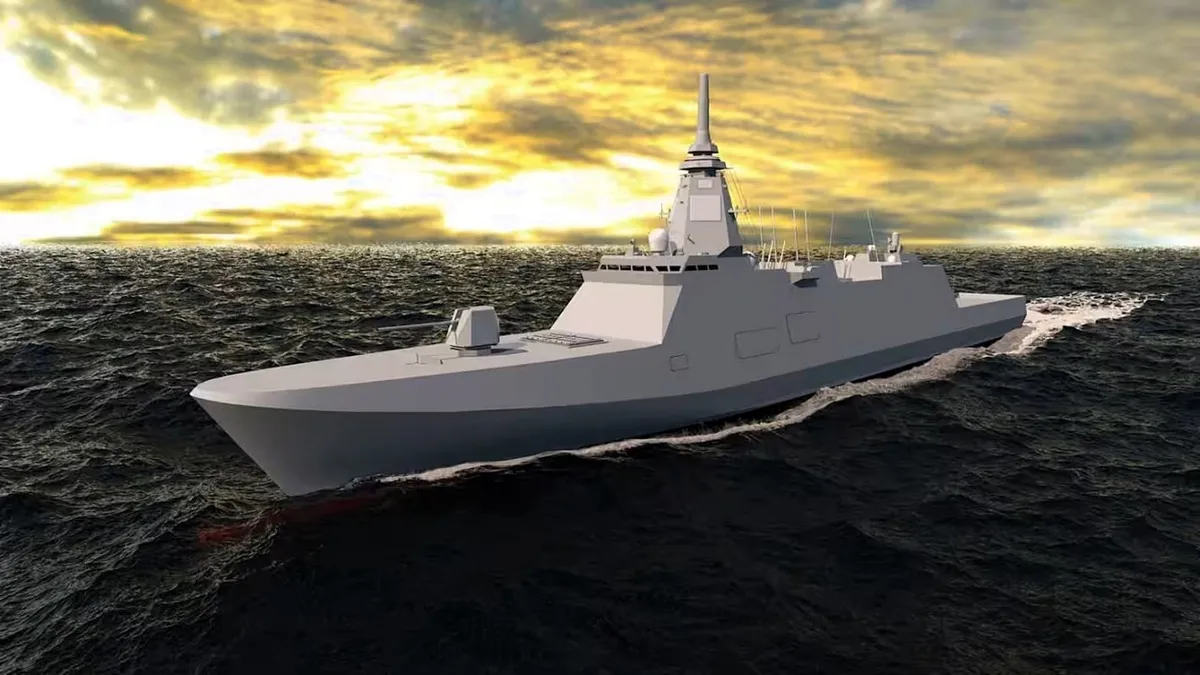
Japan's frigate production sustains allied surface combatant capacity in the Indo-Pacific at a time when US Navy shipyards are prioritizing larger platforms (DDG-51 destroyers, SSNs) and European allies are focused on Eastern European air defense.
This does not offset US industrial constraints but does preserve Japan's ability to field modern escorts independently, reducing the timeline pressure on allied navies to surge production during a Taiwan contingency.
The Mogami-class focus on anti-ship and ASW capability directly supports Japan's defense against Chinese naval encroachment in the East China Sea and Philippine Sea — a mission that does not require US industrial support but does depend on interoperability with allied sensor networks.
This contract sustains Japan's frigate production line at a moment when allied navies are accelerating surface combatant construction to offset Pacific Command depletion from Iran operations.
The Mogami-class is designed for anti-ship, anti-submarine, and air defense missions — capabilities directly relevant to Taiwan contingency planning and China deterrence. The award confirms Japan's commitment to incremental fleet modernization independent of US industrial capacity constraints, reducing Tokyo's reliance on US shipyard availability for near-term surface combatant needs.
However, the three-ship award is modest in scale and does not signal a major acceleration; it represents normal-cycle production continuation.
The article does not specify delivery timeline, unit cost breakdown, or whether these ships incorporate new sensors/weapons systems beyond the standard Mogami-class baseline.
Fault Lines
Strategic intelligence, synthesized daily — with a public track record. Every call graded against what actually happened.