Meta's 2Africa Cable Delay Signals Undersea Infrastructure Vulnerability in Active Theater
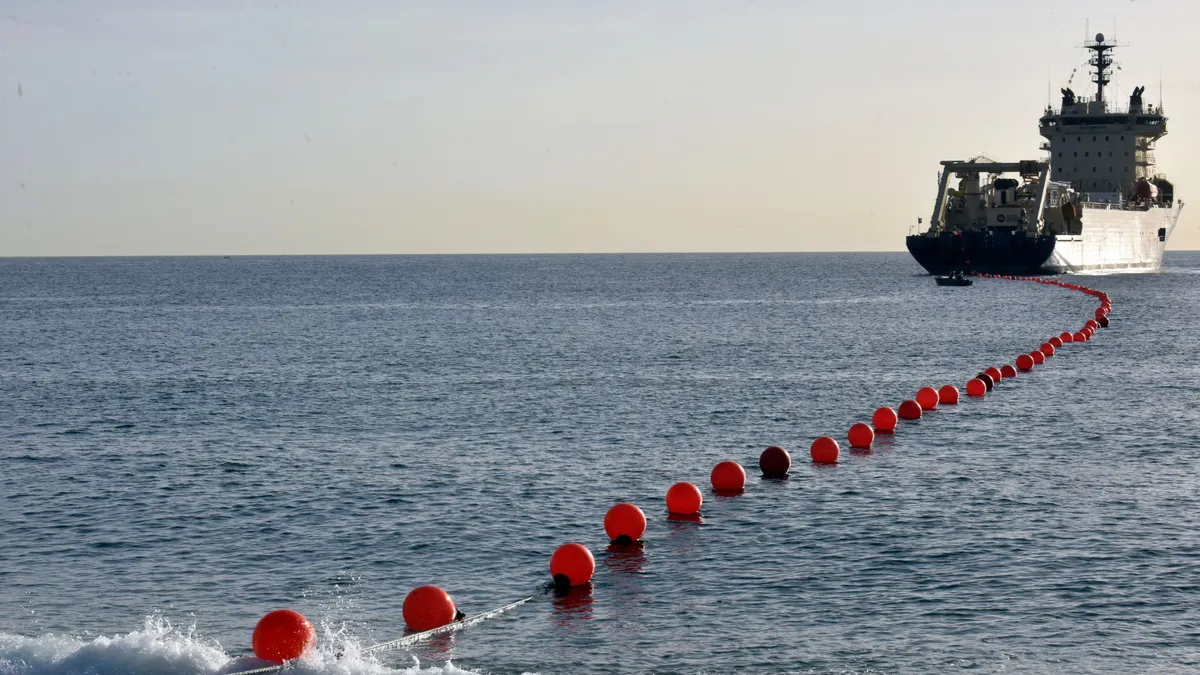
The force majeure declaration reveals a supply-chain vulnerability distinct from energy disruption: commercial contractors withdraw from conflict zones faster than governments can secure them, creating cascading delays across telecommunications, port operations, and shipping logistics.
If Alcatel's withdrawal is followed by similar moves from other infrastructure operators (Suez Canal pilots, port authorities, insurance underwriters), the conflict's economic cost shifts from acute energy shock to chronic infrastructure starvation. This converts military blockade into economic attrition without requiring further Iranian action.
Undersea cable disruption creates a secondary economic friction layer beyond the direct energy shock already documented by the IEA.
Meta's 2Africa project is designed to improve broadband access across Africa and the Middle East — delay extends the timeline for infrastructure that serves both commercial and humanitarian connectivity in regions already stressed by energy disruption.
More critically, this establishes a precedent: if commercial contractors withdraw from active conflict zones, other dual-use infrastructure projects (telecommunications, energy, shipping) face similar force majeure declarations.
The decision depends on whether Iran continues mine deployment and anti-ship operations in Hormuz — if the blockade holds, expect cascading delays across undersea cable, shipping insurance, and port operations. This converts military closure into infrastructure attrition.
The article does not specify: (1) whether other cable-laying contractors operating in the region have issued similar declarations, (2) the revised timeline for Pearls section completion, (3) whether this affects other Meta infrastructure projects outside the Persian Gulf, or (4) whether insurance un...
Fault Lines
Strategic intelligence, synthesized daily — with a public track record. Every call graded against what actually happened.