Taiwan's M1A2 Abrams Tanks Arrive as Domestic Procurement Halts; Capability Mismatch Widens
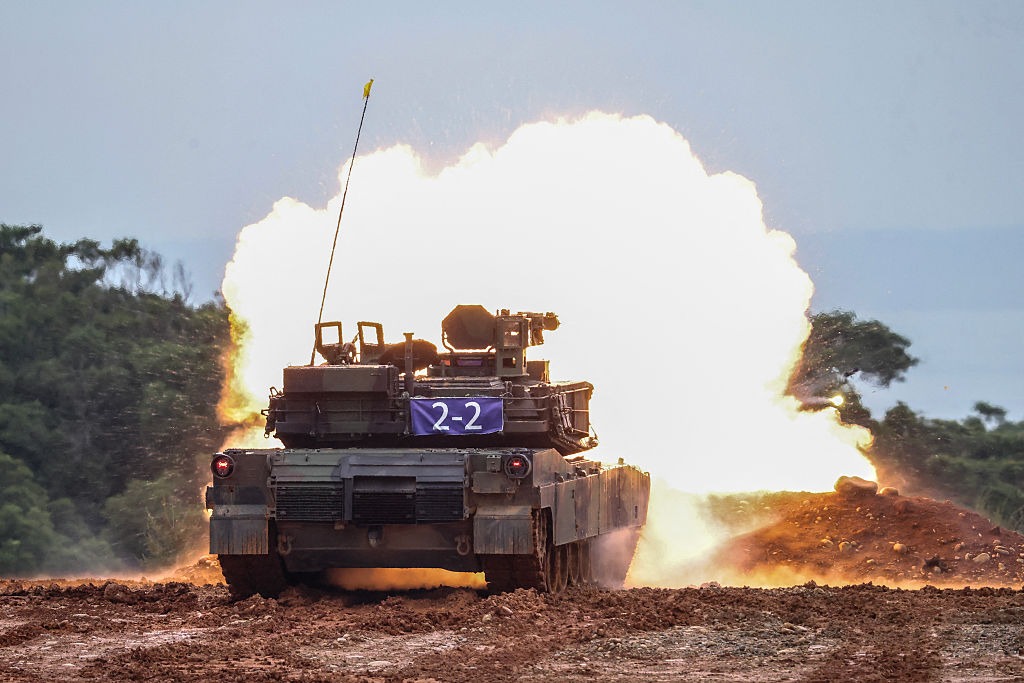
The Abrams arrival is a sunk-cost anchor. These 108 tanks require logistics, training, and sustainment that will consume O&M budget for the next 15-20 years. If the PLA achieves air superiority in a Taiwan Strait scenario—which drone denial-of-service operations make more likely—the Abrams become immobile targets.
Ukraine proved that domestic munitions innovation (the 250kg glide bomb) can offset foreign donation scarcity. Taiwan is doing the opposite: accepting foreign platforms while killing the domestic production line that could have generated asymmetric advantage.
The defense ministry's choice to halt drone procurement suggests either a strategic bet that air defense (Patriot, THAAD, Skybow) is sufficient, or a budget crisis forcing triage.
Taiwan is now locked into legacy Western platforms while abandoning domestic drone development—the exact inverse of Ukraine's current strategy.
The 108 Abrams represent a sunk-cost commitment to platforms designed for peer-state armor warfare; Taiwan's actual threat is air-denial and coastal defense against a PLA that operates in 3D. By halting domestic drone procurement, Taiwan surrenders the one domain where it had iterative advantage and lower cost-of-entry.
The decision forces Taiwan to depend on US drone sales and donations at a moment when US munitions supply to Ukraine is already strained. Watch whether Taiwan's defense ministry requests emergency supplemental drone procurement in the next legislative session (likely Q3 2026) or whether it formally pivots to pure air-defense posture.
What was the stated rationale for ending domestic drone procurement—budget constraints, technical failure, or strategic reorientation? Does Taiwan's defense ministry view the Abrams arrival as sufficient armor deterrent, or is this a capability gap they're accepting by default?
Fault Lines
Strategic intelligence, synthesized daily — with a public track record. Every call graded against what actually happened.