NASA Opens JPL Management Contract to Competition After 70 Years of Caltech Stewardship
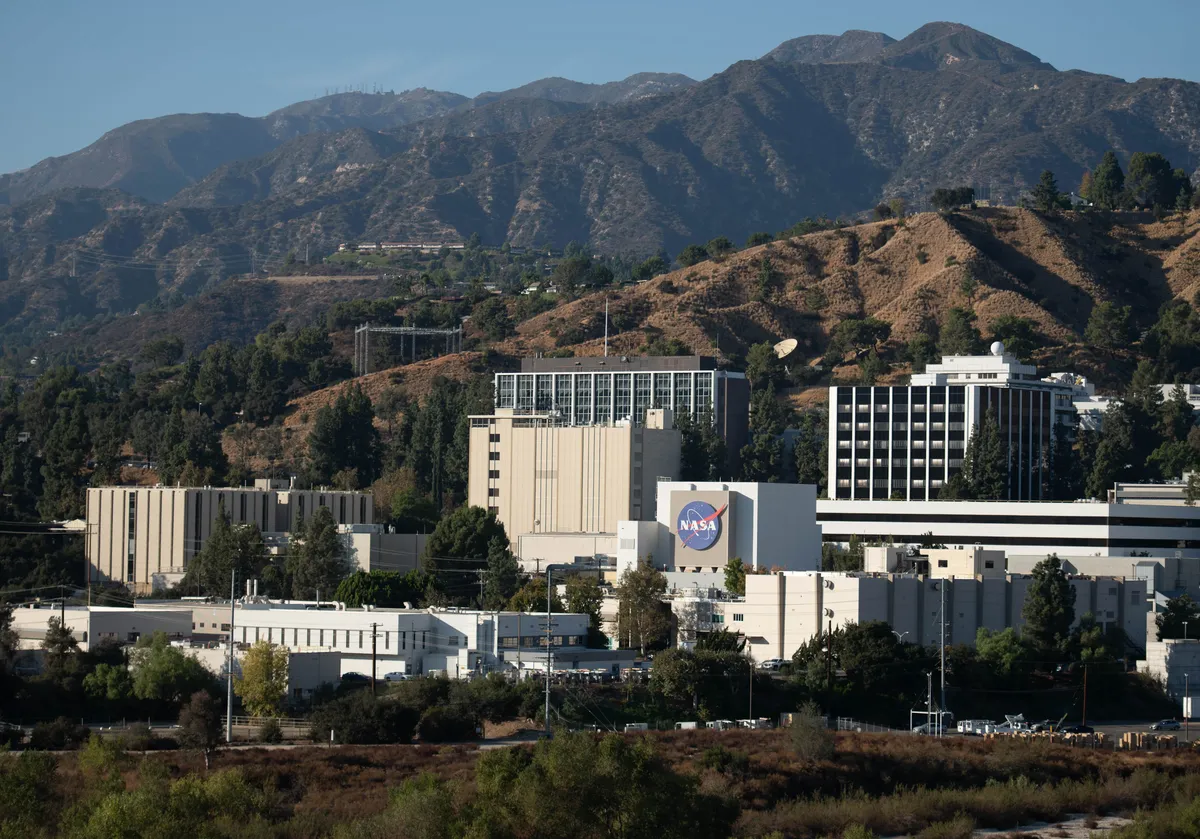
If a defense prime or commercial space operator wins the competition, expect JPL's research agenda to shift toward programs with near-term operational payoff (lunar logistics, cislunar infrastructure, military-relevant remote sensing) over pure science. Caltech's 70-year tenure was built on scientific independence; a for-profit operator will optimize for contract renewals and margin.
The FFRDC structure itself becomes vulnerable — if JPL can be opened to competition, so can Lincoln Lab, RAND, and other federally funded centers. This could accelerate the consolidation of U.S. space R&D under a smaller set of large contractors, reducing the number of independent voices in space strategy.
Caltech loses a $1.5B+ annual revenue stream and decades of institutional control over one of the U.S. government's crown jewels in space exploration and planetary science.
The competition signals that NASA views the current arrangement as insufficiently competitive, even though Caltech has delivered consistent results — which means the next operator must either undercut Caltech's overhead structure or offer demonstrable capability gains.
Caltech's response will determine whether it re-competes aggressively (risking a reputational loss if it loses) or concedes the contract, reshaping how elite research institutions relate to federal R&D centers. Watch the RFP release timeline and whether other aerospace primes (Northrop Grumman, Lockheed Martin, or emerging operators like Axiom Space) signal intent to bid.
What is NASA's specific dissatisfaction with Caltech's performance, cost structure, or governance? The announcement cites 'accountability' and 'value' — but JPL's track record on Mars rovers, the James Webb partnership, and deep-space missions is objectively strong.
Fault Lines
Strategic intelligence, synthesized daily — with a public track record. Every call graded against what actually happened.