USS Spruance Fires on Iranian Cargo Vessel in Arabian Sea; First Direct US Fire Since Hormuz Closure
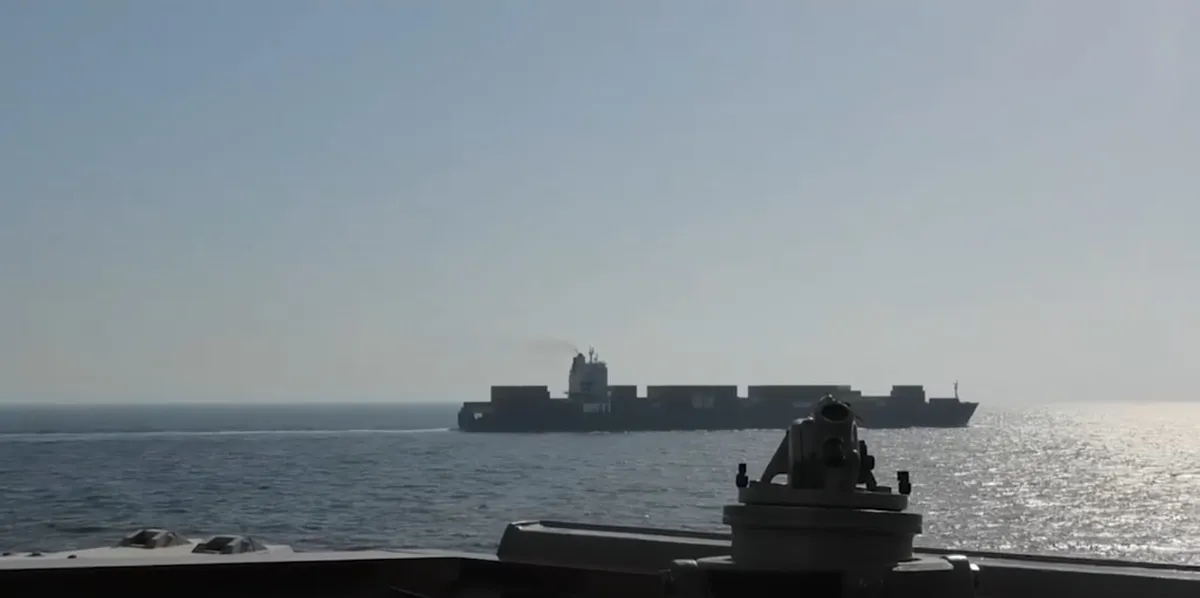
The use of kinetic force on merchant shipping converts the Hormuz blockade from a political standoff into an active naval conflict zone. This forces third-party shipping insurers to reassess premiums and rerouting costs, which accelerates the economic pressure on Trump to either negotiate (by April 23) or accept a sustained energy shock.
It also changes the calculus for allied naval operations: Japan's Taiwan Strait transit (April 18 signal) and Ford's Red Sea deployment are now operating in a theater where merchant vessels are under fire, increasing collision risk and forcing allied navies to choose between convoy operations (resource-intensive) or accepting merchant losses.
This is kinetic enforcement of a blockade — not a warning, not a boarding, but live fire that disabled a ship.
Trump's 48-hour nuclear deal ultimatum (deadline April 23) is now backed by demonstrated willingness to use force on merchant traffic. Iran will interpret this as validation of its own escalation logic: if the US shoots at Iranian vessels, Iran's closure and threats against shipping are proportional response, not provocation. The USS Gerald R.
Ford strike group transiting the Red Sea (per April 19 signal) is no longer a deterrent backdrop — it's now part of an active enforcement operation. Expect Iranian retaliation either against US assets or against third-party shipping to accelerate before the April 23 deadline.
This also signals to Japan, India, and other regional actors that US protection of Hormuz transit is now backed by force, which may embolden them to challenge Iran's blockade — creating a cycle of escalation rather than deterrence.
Was the vessel actually Iranian-flagged and Iranian-controlled, or was it operating under a flag of convenience with mixed ownership? The source doesn't specify cargo, destination, or whether the ship attempted to run the blockade or was already in transit when intercepted.
Fault Lines
Strategic intelligence, synthesized daily — with a public track record. Every call graded against what actually happened.