France Attributes 700-Store Fridge Sabotage to Iran's Shahid Kaveh; Opens Investigation Into Unit Leadership
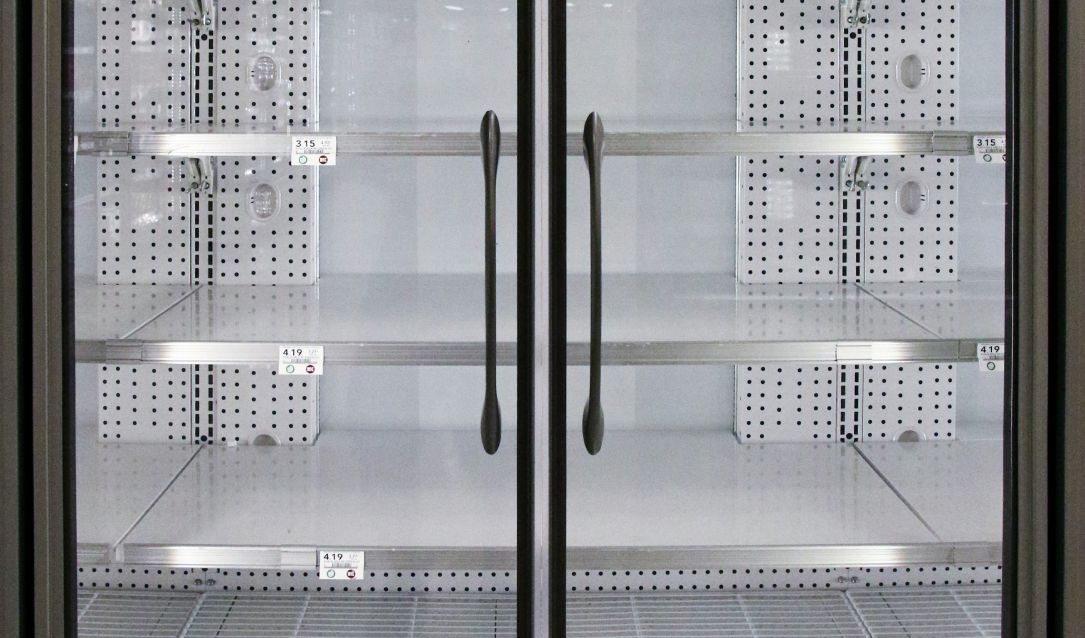
Shahid Kaveh's shift from U.S. water utilities to European food supply and blood services suggests a deliberate targeting of civilian logistics that sustains military operations—food scarcity and medical supply disruption are force-multipliers in a prolonged conflict without requiring direct strikes.
The 15 fires indicate the unit is now willing to accept collateral civilian casualties, a threshold shift from disruption-only sabotage. If the second wave was coordinated across 11 countries simultaneously, that implies pre-positioning of access and reconnaissance across European critical infrastructure at a scale the U.S. has not publicly disclosed for any adversary cyber unit.
France just named three IRGC cyber commanders and requested international arrest warrants—the first attribution of Iran's critical-infrastructure sabotage campaign to specific individuals, which opens a new enforcement vector.
Shahid Kaveh has already struck U.S. water utilities (State Department offered $10M rewards for six IRGC officials in 2023); the 11-country European wave in November shows the unit is scaling geographically and targeting food security and blood supply, which are civilian infrastructure with no military value.
Watch the EU sanctions response—if Brussels moves beyond diplomatic summoning to asset freezes and travel bans on the three named commanders, it signals intent to make cyber sabotage costly enough to deter the next wave.
Did the second November wave of attacks across 11 countries occur before or after France's attribution? The article describes October attacks in detail but only references the November wave in passing—the timeline matters for whether Iran escalated in response to attribution.
Fault Lines
Strategic intelligence, synthesized daily — with a public track record. Every call graded against what actually happened.