France Deploys 800-Person Indo-Pacific Task Force via Red Sea Chokepoint
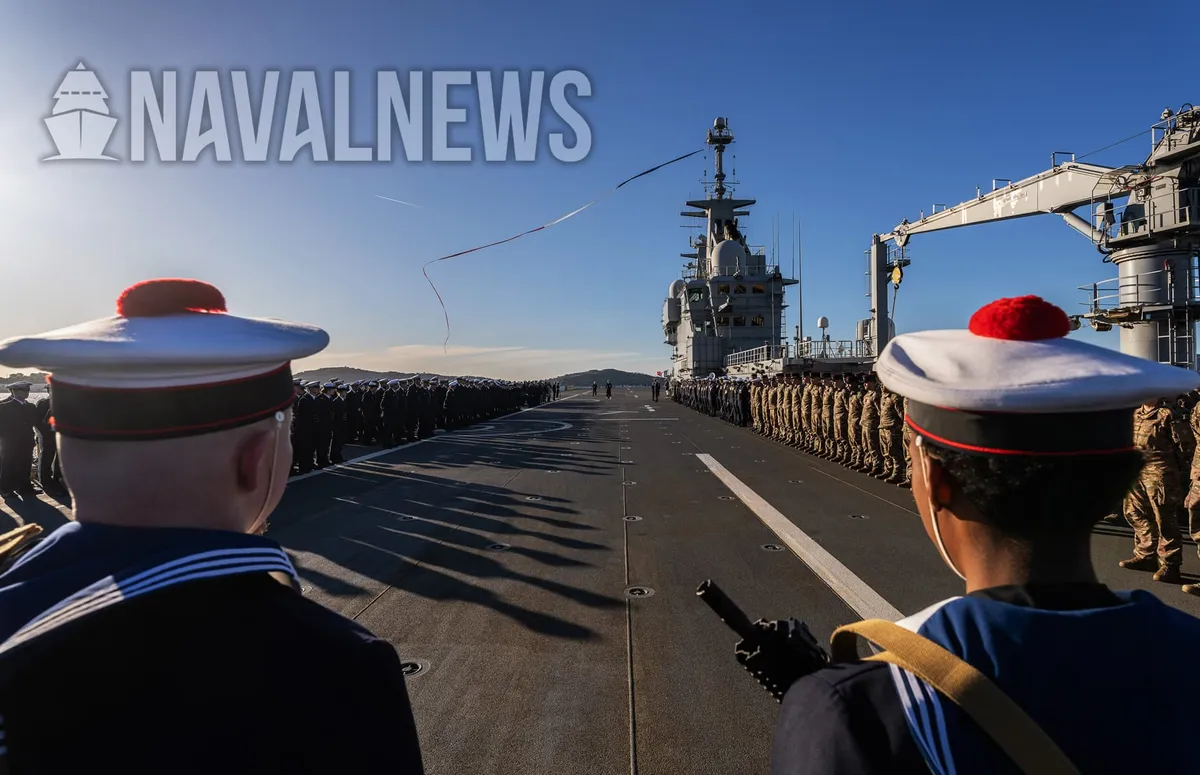
Routine French deployments establish baseline allied surface coverage in Indo-Pacific, but Red Sea transit dependency creates a second-order constraint: if Houthi attacks escalate or regional instability forces reroutes, France's ability to sustain forward presence shrinks relative to U.S. forces already positioned forward. This shifts the burden of sustained Indo-Pacific operations toward U.S.
Navy and forward-based allies (Japan, South Korea), increasing pressure on U.S. carrier maintenance schedules and allied port capacity — a market force that indirectly strengthens the case for U.S. shipbuilding industrial base expansion and allied naval modernization contracts.
France maintains persistent surface presence in Indo-Pacific through routine annual deployments, signaling sustained commitment to regional operations independent of U.S. carrier cycles.
The Red Sea transit exposes this task force to Houthi interdiction risk — a constraint that does not apply to U.S. operations based in the region. If Red Sea disruption forces France to reroute via Cape of Good Hope, deployment timelines extend by 2-3 weeks, reducing effective Indo-Pacific dwell time and increasing fuel/logistics costs.
For allied naval planners, this underscores that European force projection into the theater remains vulnerable to non-state actors in chokepoints, whereas forward-based U.S. assets are not.
The article does not specify the mission duration, operating area within Indo-Pacific, coordination with other allied navies (U.S., Japan, Australia), or whether this deployment includes any new capability (e.g., autonomous systems, cyber warfare modules) versus routine rotation of existing platform...
Fault Lines
Strategic intelligence, synthesized daily — with a public track record. Every call graded against what actually happened.