Ukrainian Drones Strike Tuapse Port Fourth Time; Rosneft Refinery Damage Reported
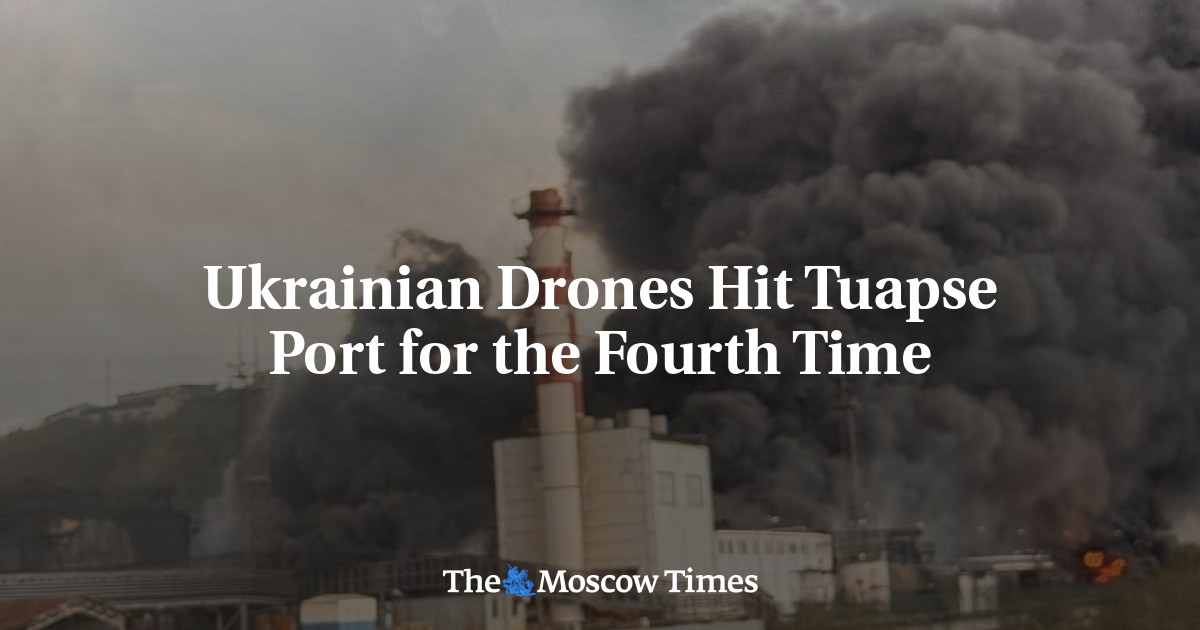
Ukraine's targeting of Tuapse feeds into the broader Russian energy export bottleneck that has already forced Moscow toward seaborne crude workarounds. Each refinery or terminal strike raises the cost of maintaining export capacity, which in turn compresses Moscow's hard-currency earnings at a moment when sanctions on semiconductor and industrial inputs are already degrading Russian military production.
This directly constrains Russia's ability to fund its own procurement and sustain the military aid supply chain to Iran that the Joint Chiefs confirmed on April 30 — creating a feedback loop where Ukrainian strikes on Russian energy infrastructure indirectly weaken Iran's war-fighting capacity.
This is the continuation of Ukraine's energy weapon strategy against Russian oil infrastructure — already tracked as a four-month peak in April drone strikes.
Tuapse is one of Russia's few remaining operational refinery export nodes on the Black Sea after Ukrainian strikes reduced Russian refinery output to a 17-year low in April.
Repeated targeting of the same facility suggests either Ukrainian intelligence has identified it as a critical chokepoint, or they are deliberately raising the cost of repairs to force Moscow to choose between defending it and deploying air defense elsewhere. The fourth strike in a single location is not random — it indicates targeting discipline.
If Rosneft refinery operations are confirmed damaged, this accelerates the shift toward seaborne crude exports that Moscow has been using as a workaround, which carries higher logistics costs and greater exposure to interdiction.
Is Tuapse refinery damage confirmed by independent tanker tracking or satellite imagery, or is this still Russian official denial paired with unconfirmed media reports? The distinction matters — refinery damage is structural; terminal damage is repairable.
Fault Lines
Strategic intelligence, synthesized daily — with a public track record. Every call graded against what actually happened.