Australian Fuel Shortages Trace to Hormuz Collapse; First Downstream Consumer Impact Confirmed
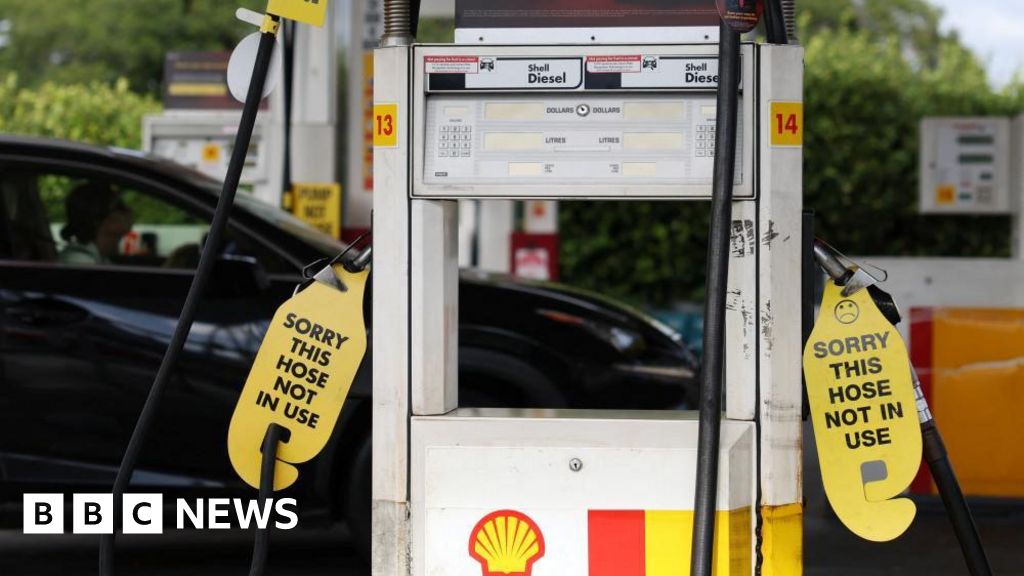
Fuel shortages in Australia force allied energy ministers to choose between releasing strategic reserves (depleting deterrence buffers) or negotiating transit terms with Gulf states now holding leverage over Hormuz chokepoint access.
If Australia rationing spreads to Japan and South Korea within 30 days, the cost of maintaining Operation Epic Fury rises sharply — allies begin demanding either rapid Iranian capitulation or US energy security guarantees, constraining Trump's operational timeline and forcing either escalation or settlement.
The Hormuz closure has now transitioned from a shipping/commodity price signal to a consumer-facing supply crisis in a US-allied nation.
Australia's fuel rationing suggests the 95% traffic drop is not a temporary disruption but a structural blockade with cascading effects. If Australian refineries cannot source crude at scale, allied nations dependent on Gulf oil (Japan, South Korea, India) face similar inventory exhaustion within 2-4 weeks.
This forces energy policy decisions: strategic petroleum reserve drawdowns, rationing protocols, or negotiated transit agreements — all of which shift leverage from the US/Israel to regional actors (UAE, Saudi Arabia, Oman) who control alternative routing or can pressure Iran.
Watch whether Australia invokes energy emergency protocols or pivots to LNG/non-Gulf sources, signaling how long allies expect the closure to persist.
The article does not specify how many petrol stations are affected, whether this is a supply shortage (crude not reaching refineries) or a distribution problem (fuel available but not reaching retail), or what Australia's strategic petroleum reserve status is.
Fault Lines
Strategic intelligence, synthesized daily — with a public track record. Every call graded against what actually happened.