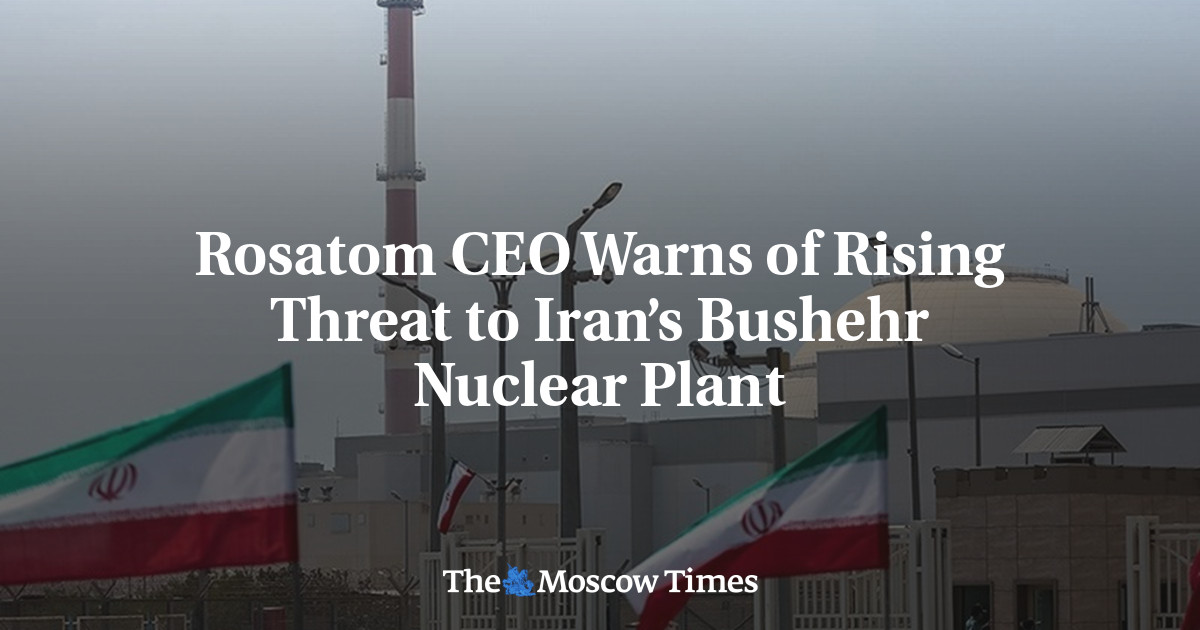
Rosatom Suspends Bushehr Expansion Over Rising Attack Threat
If attacks originate from Israel, this suspension reflects operational success in degrading Iranian nuclear infrastructure without triggering direct Iranian retaliation — a demonstration of air defense penetration that affects NATO's threat assessment of Iranian air defense systems and informs allied procurement of standoff munitions and electronic warfare capabilities.
If attacks are from non-state actors or unknown sources, the suspension instead signals loss of Russian operational control over the site and raises questions about Rosatom's ability to deliver on nuclear commitments in contested regions, which cascades into future Middle East nuclear contracts and Russian export control leverage.
This suspension signals operational risk to Iran's only functioning civilian nuclear plant and complicates Russia's Middle East nuclear footprint at a moment when Western-Iran tensions remain elevated.
Rosatom has a commercial interest in completing the Bushehr expansion; a suspension suggests threat level has crossed a cost-benefit threshold for continued work. For defense investors, this flags potential demand for hardened nuclear facility protection systems and intelligence on Iranian air defense gaps.
The strategic implication depends on whether attacks are Israeli strikes (indicating escalation in regional conflict) or other actors — the article does not specify.
Who is conducting the attacks, what is their frequency and scope, what specific damage or casualties have occurred, and what is Rosatom's timeline for resumption? Without this, the suspension could reflect minor harassment or a major escalation.
Fault Lines
Strategic intelligence, synthesized daily — with a public track record. Every call graded against what actually happened.