F-35B Clears SPEAR 3 Integration; UK Precision Strike Capability Enters Flight Test Phase
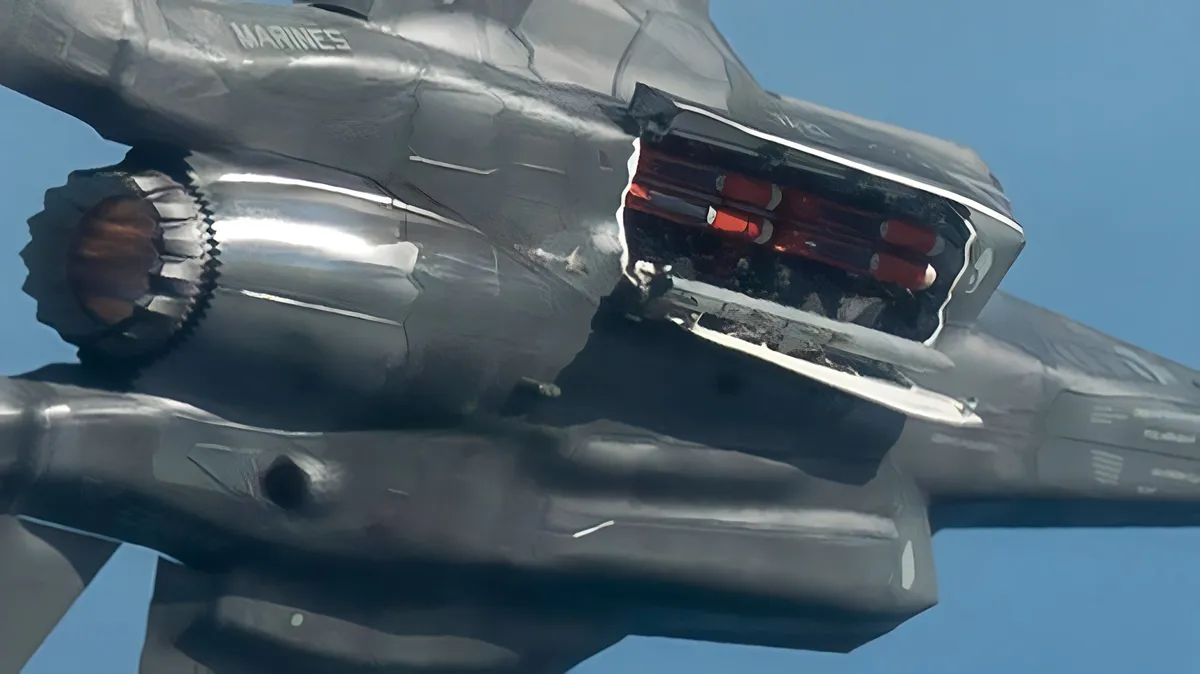
The integration test is incremental within the SPEAR 3 program but exposes a capacity constraint on RAF strike power during the 2026-2028 window. If integration testing encounters flutter, separation, or avionics incompatibility issues—common at this stage—each major redesign cycle consumes 12-18 months.
That would push UK SPEAR 3 IOC to 2029 or later, extending the RAF's reliance on legacy standoff weapons during the period when NATO is most likely to demand rapid European reinforcement for a Baltic or Black Sea contingency.
UK Royal Air Force operational F-35B squadrons cannot deploy SPEAR 3 until flight test clears the airworthiness envelope—a gate that typically consumes 18-24 months from first flight.
This means RAF Marham's 17 Squadron and 207 Squadron (approximately 24 combat-coded airframes) remain dependent on Storm Shadow and Paveway IV until integration testing concludes, likely 2027-2028. The timeline directly constrains UK strike range in any near-term Middle East or European contingency; RAF planners cannot count on SPEAR 3 for the Taiwan Strait or Indo-Pacific reinforcement tasking before 2028.
Watch the UK Ministry of Defence's next Defence Command Paper (expected 2027) for whether SPEAR 3 IOC delay forces accelerated Storm Shadow procurement or triggers a re-role of Typhoon FGR.4 squadrons to compensate for RAF F-35B strike depth.
Has BAE Systems submitted the full technical data package to the US for ITAR/export control review, or is UK integration proceeding under exemption? If data transfer is pending, US approval timelines could slip the UK IOC by 6-12 months.
Fault Lines
Strategic intelligence, synthesized daily — with a public track record. Every call graded against what actually happened.