Pentagon Deploys LUCAS Drones in Dozens During Iran Conflict; Production Bottleneck Exposed
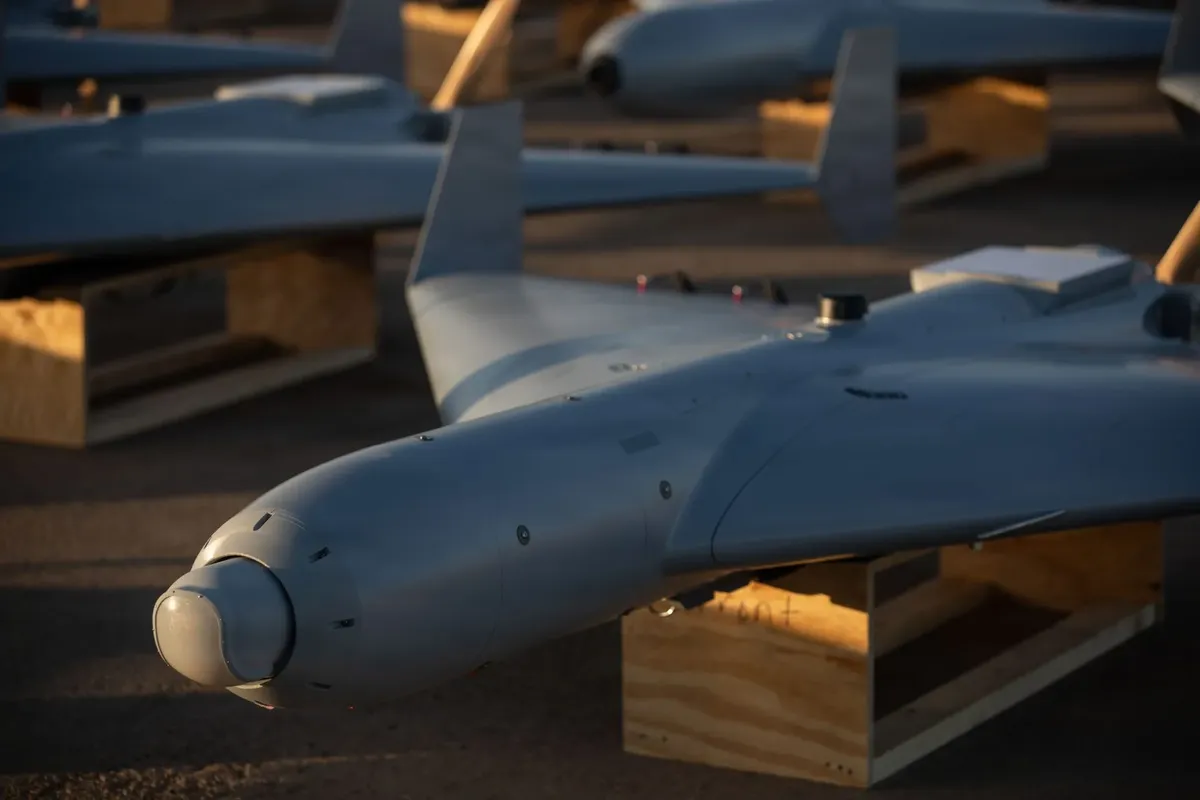
LUCAS's limited deployment in the dozens contradicts any narrative that autonomous systems are filling the gap created by manned-aircraft losses and cruise-missile depletion.
Instead, the bottleneck in LUCAS production means the DoD must rely on conventional munitions and manned platforms at higher rates than planned, accelerating inventory drawdown and forcing the emergency munitions requests already documented in the March 17 Nikkei Asia report.
If LUCAS production does not accelerate, the theater will remain dependent on legacy platforms and allied ammunition support through the conflict's attrition phase.
This is the first concrete evidence of how production bottlenecks translate into operational constraints during an active conflict.
The 'dozens' figure suggests LUCAS is not yet a force multiplier in the current Iran campaign — it is a niche capability. Combined with the March 17 report of US missile depletion forcing emergency munitions requests to Asian allies, this indicates the DoD is operating under sustained inventory pressure across multiple munitions categories.
The decision to deploy 'what we had' rather than wait for production ramp confirms that current production rates cannot sustain the operational tempo of a major air campaign.
For program managers: this establishes a precedent for emergency deployment of incomplete production runs, which may accelerate qualification timelines for follow-on lots but signals that LUCAS will not be a primary asset in this theater for the next 6-12 months.
The article does not specify: (1) the exact operational inventory number, (2) the planned full-rate production timeline or monthly throughput rate, (3) whether the 'dozens' deployed are experimental, pre-production, or production-standard units, or (4) whether LUCAS has achieved any confirmed combat...
Fault Lines
Strategic intelligence, synthesized daily — with a public track record. Every call graded against what actually happened.