CENTCOM Reports 'Hundreds' of Attack Drones Deployed Against Iran
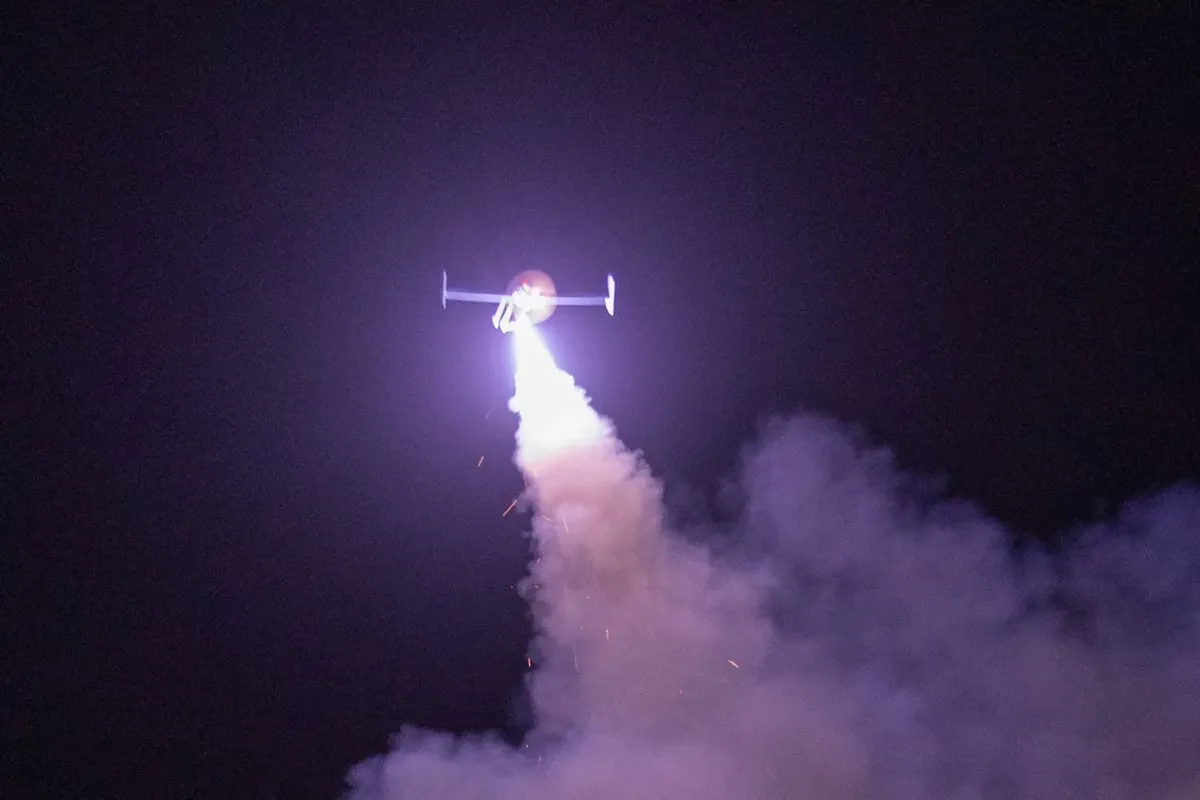
Large-scale drone deployment to Iran reduces available inventory for Pacific Command contingency planning and ongoing operations in Iraq/Syria, forcing a reallocation decision: either accept degraded readiness in Indo-Pacific deterrence posture, or accelerate procurement of MQ-9 and loitering munition production.
GD Aeronautical Systems (MQ-9 producer) and AeroVironment (Switchblade) will face pressure to increase delivery rates if attrition in Iran operations exceeds pre-conflict projections.
The scale claim—'hundreds' of attack drones—suggests sustained kinetic intensity beyond what was publicly disclosed through prior strike announcements (B-2 bunker-busters, Israeli airport strikes, cruise missiles).
If accurate, this indicates either: (1) a larger pre-positioned drone inventory than previously signaled, or (2) rapid redeployment from other theaters. This matters for force-readiness calculus: Pacific Command's drone capacity for Taiwan contingency planning may be degraded if a significant portion of the inventory is committed to Iran operations.
However, the article provides no specifics on drone types (MQ-9 Reaper vs. Switchblade loitering munitions vs. tactical drones), which determines whether this represents a strategic commitment or consumable attrition. Without knowing the operational tempo (sorties per day, munitions expended, replacement timelines), the claim is difficult to assess against sustainment capacity.
The article does not specify which drone platforms comprise the 'hundreds,' the geographic distribution of drone operations, daily sortie rates, munitions consumption, or whether this number includes loitering munitions (which are consumable) vs. reusable platforms like MQ-9s.
Fault Lines
Strategic intelligence, synthesized daily — with a public track record. Every call graded against what actually happened.